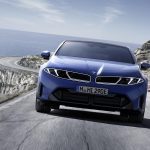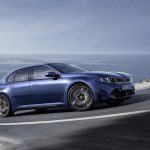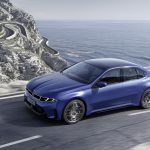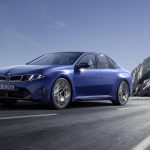

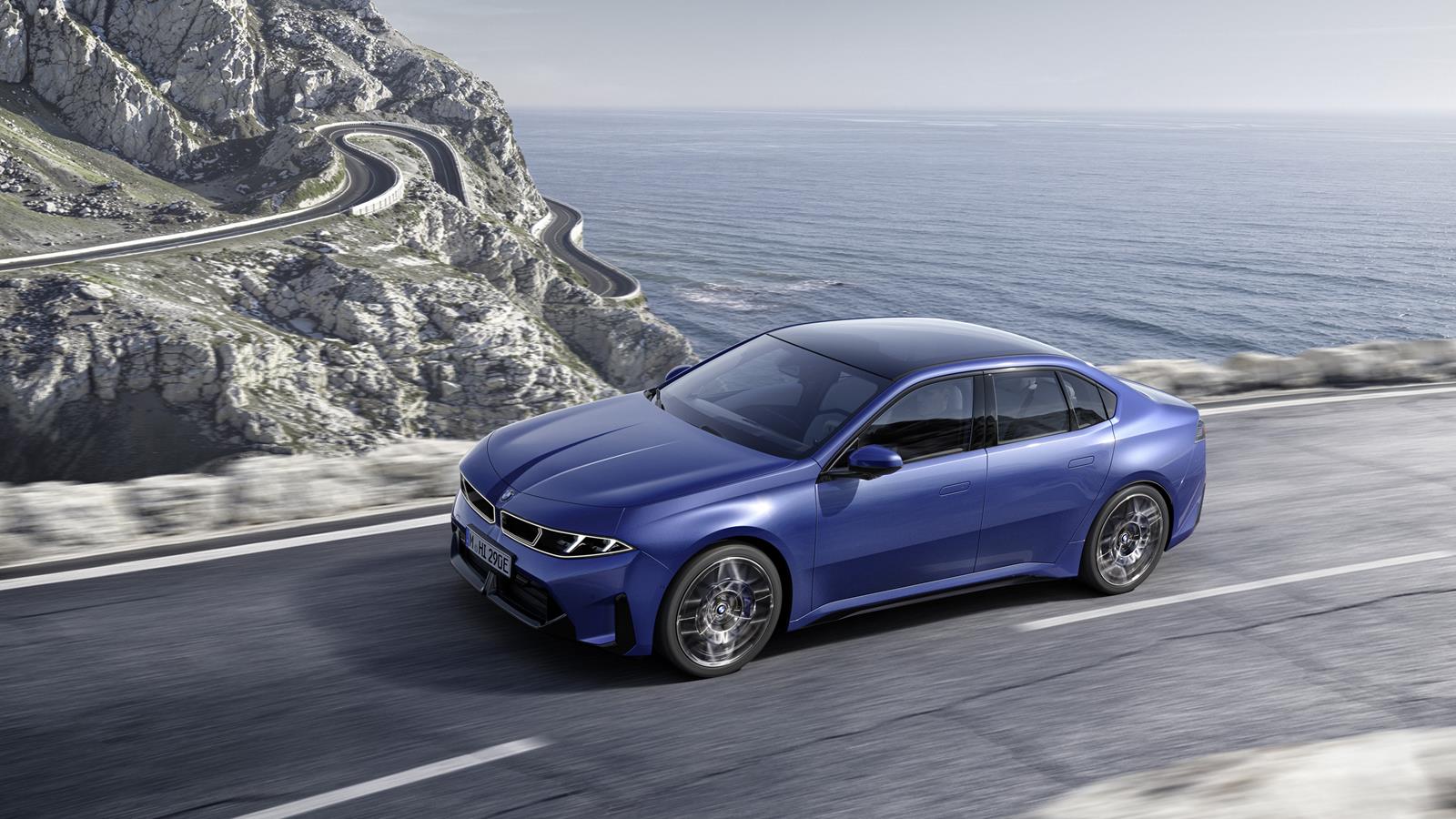
For five decades, the BMW 3 Series has defined what it means to be a sport sedan. Now, BMW is rewriting that formula for the electric age with the all-new i3—an all-electric evolution that doesn’t abandon its roots so much as amplify them.
Built as part of BMW’s next-generation Neue Klasse platform, the i3 isn’t just another EV, it’s a technological reset.
The launch model, the i3 50 xDrive, packs a dual-motor setup pushing out 463 horsepower and 476 lb-ft of torque. That’s serious output, but the real story is how it’s delivered.
BMW’s new “Heart of Joy” processing system—essentially a high-speed brain for driving dynamics—responds up to ten times faster than previous systems. The result is sharper handling, smoother braking, and a level of precision that aims to redefine what “ultimate driving machine” means in an EV.
BMW is targeting up to 440 miles of range, putting the i3 firmly in long-distance territory. Charging gets a major upgrade too, with up to 400 kW DC fast charging thanks to an 800-volt architecture.
The sixth-generation eDrive system brings new cylindrical battery cells, improved energy density, and faster charging speeds—about 30% better than before. Add in bidirectional charging (vehicle-to-home, grid, and load), and the i3 becomes more than transportation—it’s part of your energy ecosystem.
Visually, the i3 walks a fine line between heritage and futurism. Its proportions—long wheelbase, short overhangs, and that classic BMW stance—keep it grounded in 3 Series DNA.
But details evolve. The signature kidney grille merges with lighting elements into a unified front-end design, while the “four-eye” look gets a modern reinterpretation. Flared arches and a wide stance reinforce its sporty intent, even without a combustion engine.
Inside, BMW leans heavily into digital integration without losing its driver-first philosophy.
The new Panoramic iDrive system projects information across the base of the windshield, replacing the traditional gauge cluster. A 17.9-inch central display and optional 3D head-up display create a layered, immersive interface that keeps key info directly in your line of sight.
Voice control gets smarter too, thanks to an AI-enhanced assistant integrated with Alexa, enabling more natural, conversational interaction with the car.
Software-Defined Driving
Underneath it all is a completely new electronic architecture powered by four “superbrain” computers handling everything from driving dynamics to infotainment.
This enables over-the-air updates, deeper personalization, and a more seamless interaction between driver and machine—what BMW calls “Symbiotic Drive.” It’s not about removing the driver, but enhancing their role with smarter assistance.
Production of the new i3 begins in Munich in August 2026, with deliveries starting later that year. The plant itself is transitioning to fully electric production shortly after, signaling BMW’s broader shift to an EV-first future.