

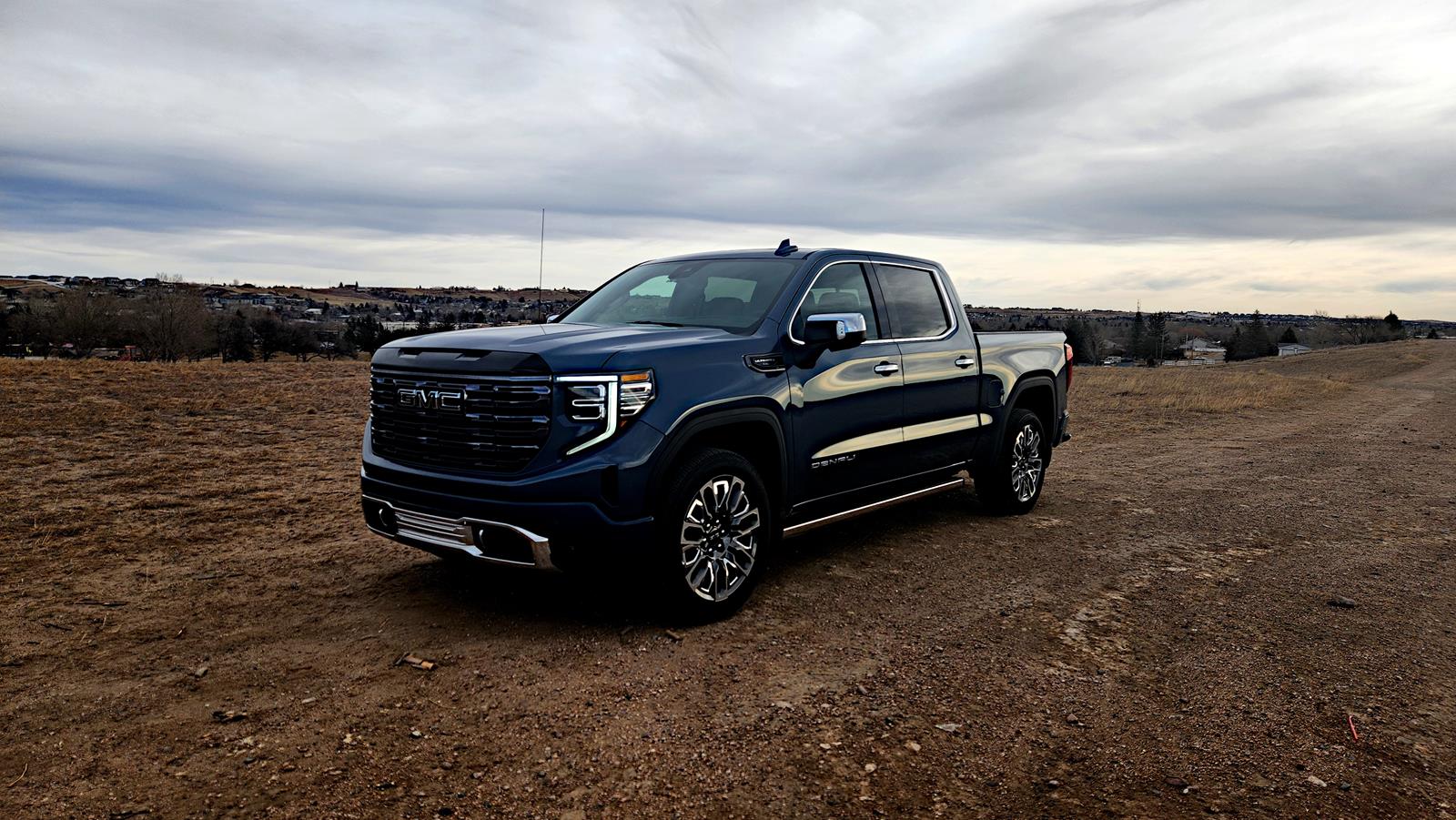
The full-size pickup market has become an arms race. Every year brings another touchscreen the size of a television, another luxury package with enough leather to upholster a cigar lounge, and another towing number that assumes you’re hauling the Death Star. Somewhere in all of that, trucks still have to do everyday truck things.
The 2026 GMC Sierra 1500 isn’t an all-new truck. In fact, that’s arguably its biggest strength. While a completely redesigned Sierra is already waiting in the wings for 2027, the 2026 model represents the final, fully matured version of the current generation. That means most of the bugs have been worked out, the feature list is comprehensive, and GMC has had several years to refine what was already one of the better pickups on the market. Changes for 2026 are mostly cosmetic, with a couple of new paint colors and some tuning tweaks for V8-equipped trucks.
Styling That Doesn’t Need to Shout
The Sierra has always been the better-looking sibling compared to the Chevrolet Silverado. Where the Chevy often seems determined to prove it bench-presses mountains before breakfast, the GMC carries itself with a bit more restraint.
That’s especially true in Denali trim. Chrome is used with purpose instead of enthusiasm, the LED lighting remains distinctive without looking like a JDM car show, and the proportions are clean.
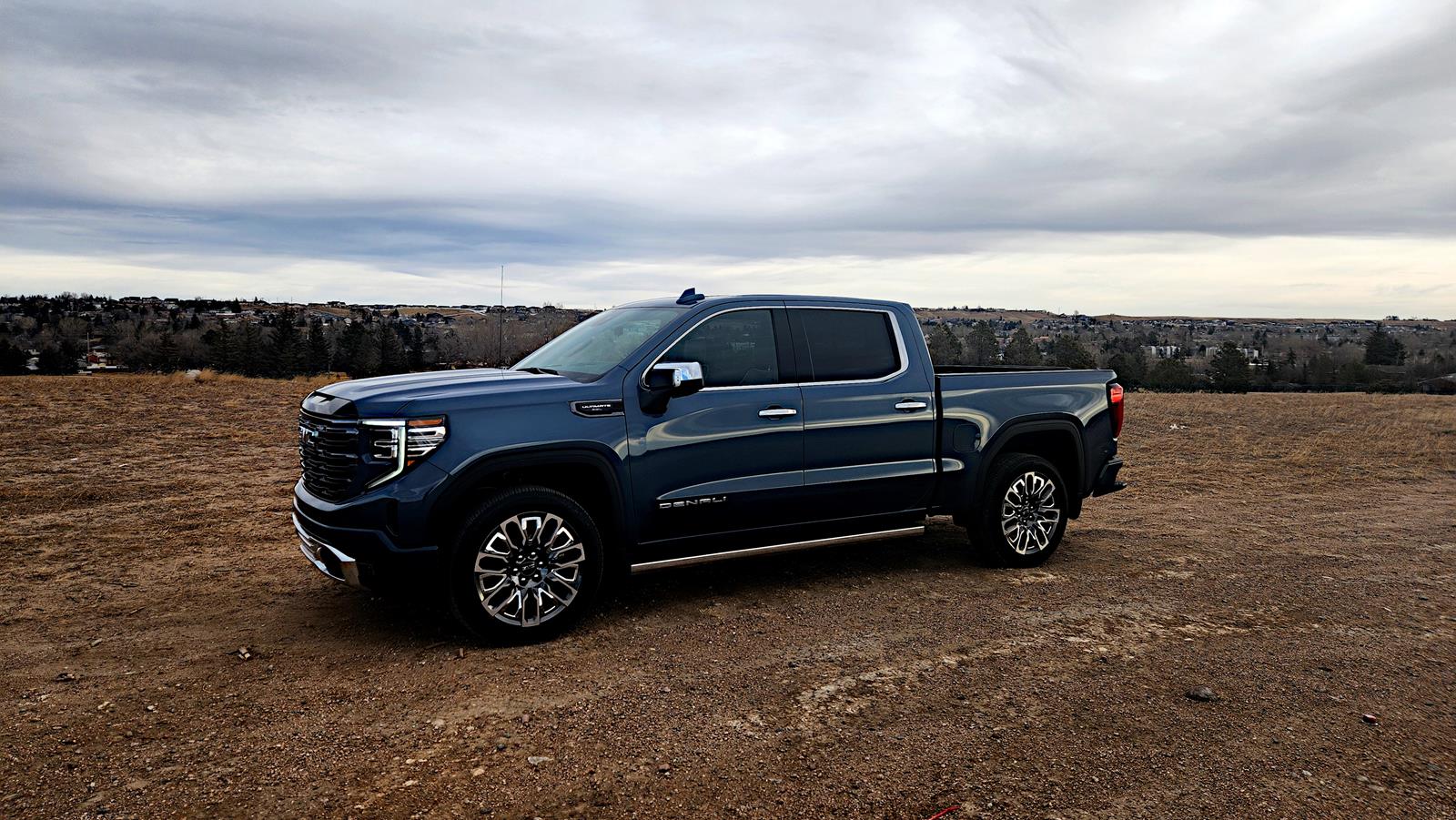
The AT4 models continue to hit the sweet spot for buyers who actually leave pavement once in a while. There’s add meaningful off-road hardware without crossing into the “I drive over boulders every Tuesday” territory occupied by the AT4X.
It’s a handsome truck that has aged remarkably well.
An Interior That Finally Feels Worth the Money
A decade ago, GMC interiors often consisted of “Chevy, but with nicer leather.” Today, that’s no longer true.
The Sierra’s cabin feels legitimately premium. Even lower trims are thoughtfully laid out, while Denali models compete surprisingly well with luxury SUVs costing similar money. (By similar money, we’re talking around six figures.)
The 13.4-inch infotainment display remains one of GM’s better implementations. Google’s built-in operating system is intuitive and physical controls still exist for climate functions. Apparently someone in Detroit still understands that adjusting cabin temperature shouldn’t require navigating three software menus while towing a horse trailer.
If you like CarPlay and Auto, though, this is probably the last year they’ll be in this GMC 1500. GM is phasing those out in favor of its own setup.
Storage is abundant. Seats are comfortable. Rear-seat passengers actually get enough legroom to qualify as human beings instead of folded camping chairs. This is a truck designed by people who appear to have met truck owners.
Four Engines, Four Different Personalities
One of the Sierra’s biggest strengths is that GMC doesn’t force buyers into one philosophy. The standard TurboMax four-cylinder continues to surprise skeptics. Yes, it’s a four-cylinder in a full-size pickup. Yes, some people still react to that sentence like you’ve suggested replacing barbecue with kale. Whatever.
The turbocharged engine makes excellent torque, moves the truck confidently, and is perfectly adequate for most needs. Step up to the 5.3-liter V8 if you simply enjoy the sound and feel of a naturally aspirated V8. It’s smooth, proven, and easy to live with. But not otherwise better than the turbo-four in the real world.
The optional 6.2-liter V8 remains the enthusiast’s choice. Power delivery is effortless, acceleration borders on ridiculous for something weighing nearly three tons, and Sport mode now lets the exhaust announce your presence with a little more authority.
Then there’s the 3.0-liter Duramax diesel. My personal fav.
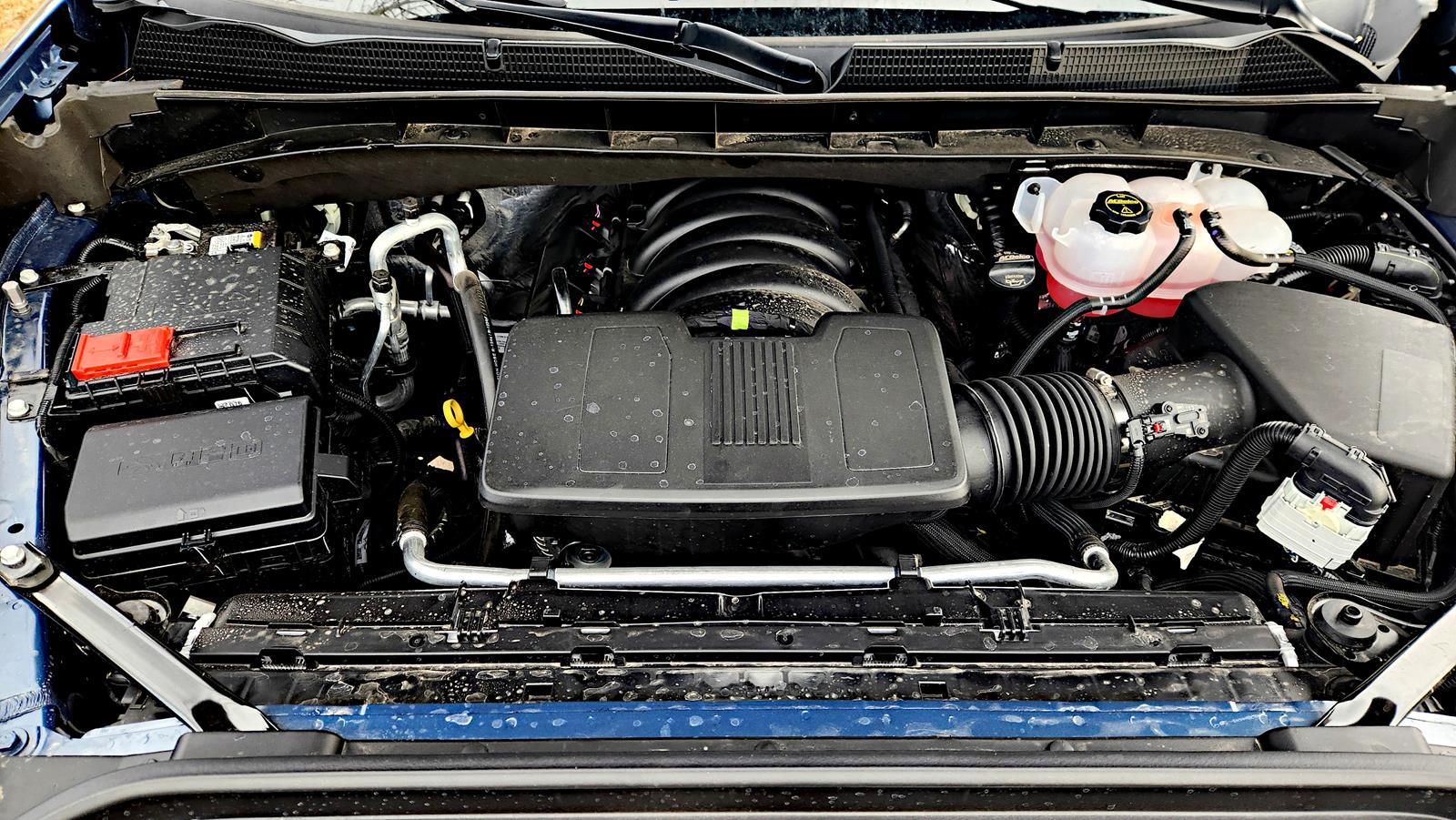
Quiet, remarkably efficient, and capable of pulling heavy trailers while sipping fuel at rates that seem to violate several laws of physics, it’s easily the best long-distance towing engine in the lineup. Plus it’s just nice as an everday. Assuming you can afford diesel fuel.
On the Road
The Sierra has never tried to imitate a luxury sedan, but it’s surprisingly similar in comfort and roominess. It focuses on feeling planted, predictable, and composed.
Ride quality varies considerably depending on trim and wheel size. Denali models glide along interstate highways with impressive refinement, while AT4 versions trade a bit of comfort (and interior silence) for increased trail capability and knobbier tires.
Steering remains appropriately truck-like. It’s accurate without pretending this is somehow a sports car. Noise isolation is excellent. Wind noise is minimal, road noise is well controlled, and conversations at highway speed don’t require yelling. Even with the AT4 models’ tires.
Unless your passengers are teenagers. Then nothing helps.
Capability Without Drama
The Sierra remains among the segment leaders in towing and payload, depending on engine and configuration. More importantly, it makes those tasks feel manageable.
GM’s trailer technology continues to be among the industry’s best. Multiple camera angles, transparent trailer functions, and integrated towing apps remove much of the stress from hauling large loads. The MultiPro tailgate deserves mention because it’s one of those features that initially sounds like marketing fluff.
And then you use it. I’ve long said that this feature isn’t a gimmick. It’s actually useful in the real world. It becomes a workbench, a step, a load stop, and occasionally a reminder that engineers apparently had too much free time (in the best possible way).
Reliability Questions
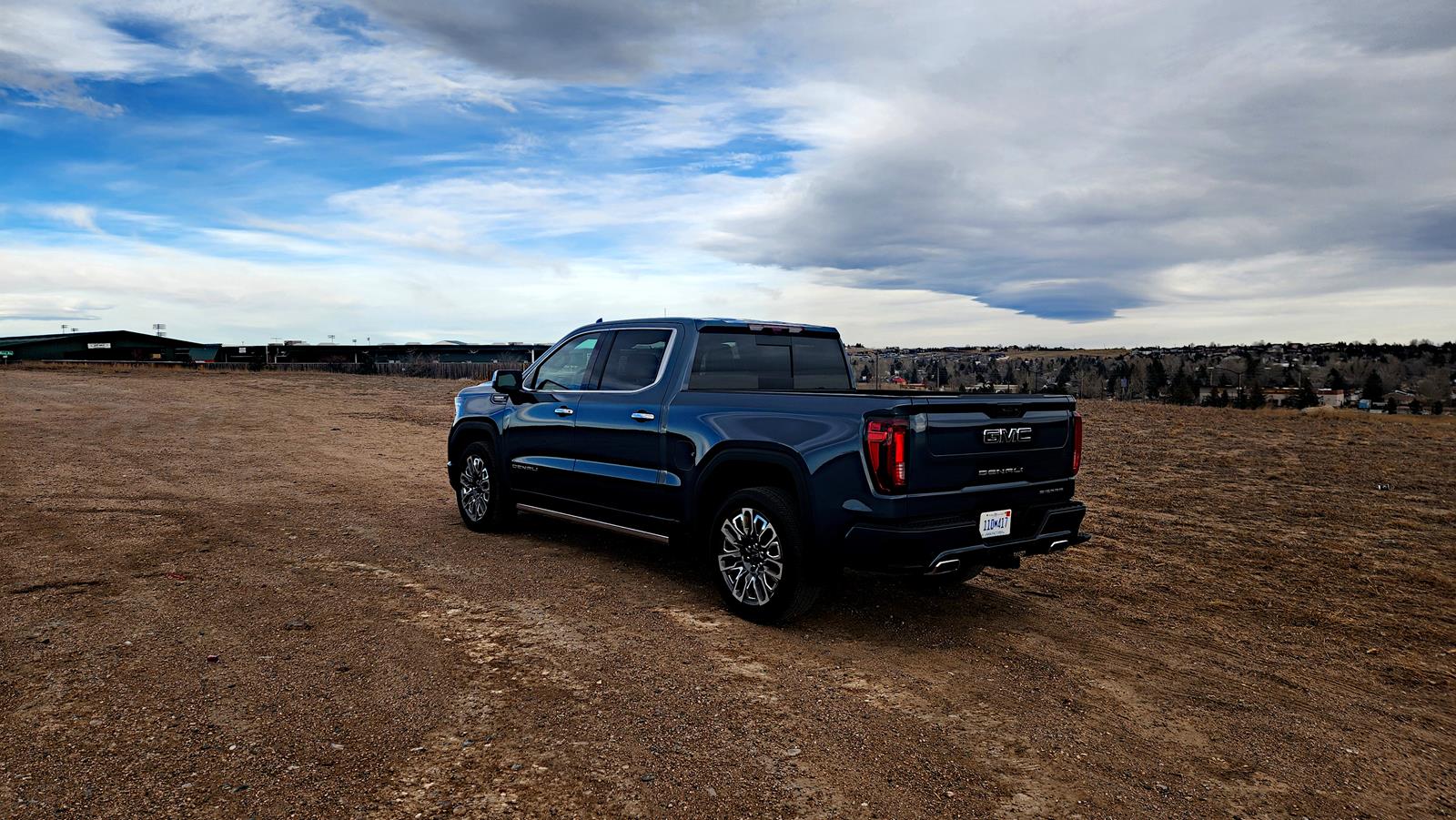
No discussion of modern GM trucks is complete without acknowledging the elephant standing next to the toolbox.
Active Fuel Management and Dynamic Fuel Management lifter concerns have affected certain GM V8 engines over the years, while the 6.2-liter has seen well-publicized issues that have understandably made some buyers cautious.
That doesn’t automatically make every Sierra unreliable, but it does mean prospective buyers should understand the maintenance history, keep software updates current, and pay attention to recalls and service bulletins.
The Duramax diesel continues to enjoy a strong reputation among owners, while the TurboMax has largely avoided the lifter-related concerns that have followed the V8 family. Community experiences remain mixed, but many owners report trouble-free operation alongside the well-publicized failures that naturally receive the most attention online.
Should You Buy One?
Here’s the interesting part. Normally I’d hesitate to recommend the final year before a redesign because something newer is just around the corner.
This time? I’d actually lean toward the 2026.
The upcoming redesign promises new technology, new engines, and dramatically updated styling. It also promises what every first-year redesign offers: uncertainty.
The 2026 Sierra, meanwhile, is known. It’s refined. Comfortable. Capable. It has one of the nicest interiors in the segment, excellent engine choices, and enough towing technology to make weekend adventures and workdays a lot less stressful.
No, it isn’t perfect. Ram still rides better. Ford arguably offers more innovative powertrain options. Toyota continues to build a compelling hybrid alternative. But the Sierra occupies a unique middle ground. It’s premium without becoming pretentious. Luxurious without forgetting it’s supposed to haul mulch.
And perhaps most importantly, it still feels like a truck instead of a rolling electronics demonstration. In an era where pickups increasingly resemble luxury condos on 20-inch wheels, that’s refreshing.
