

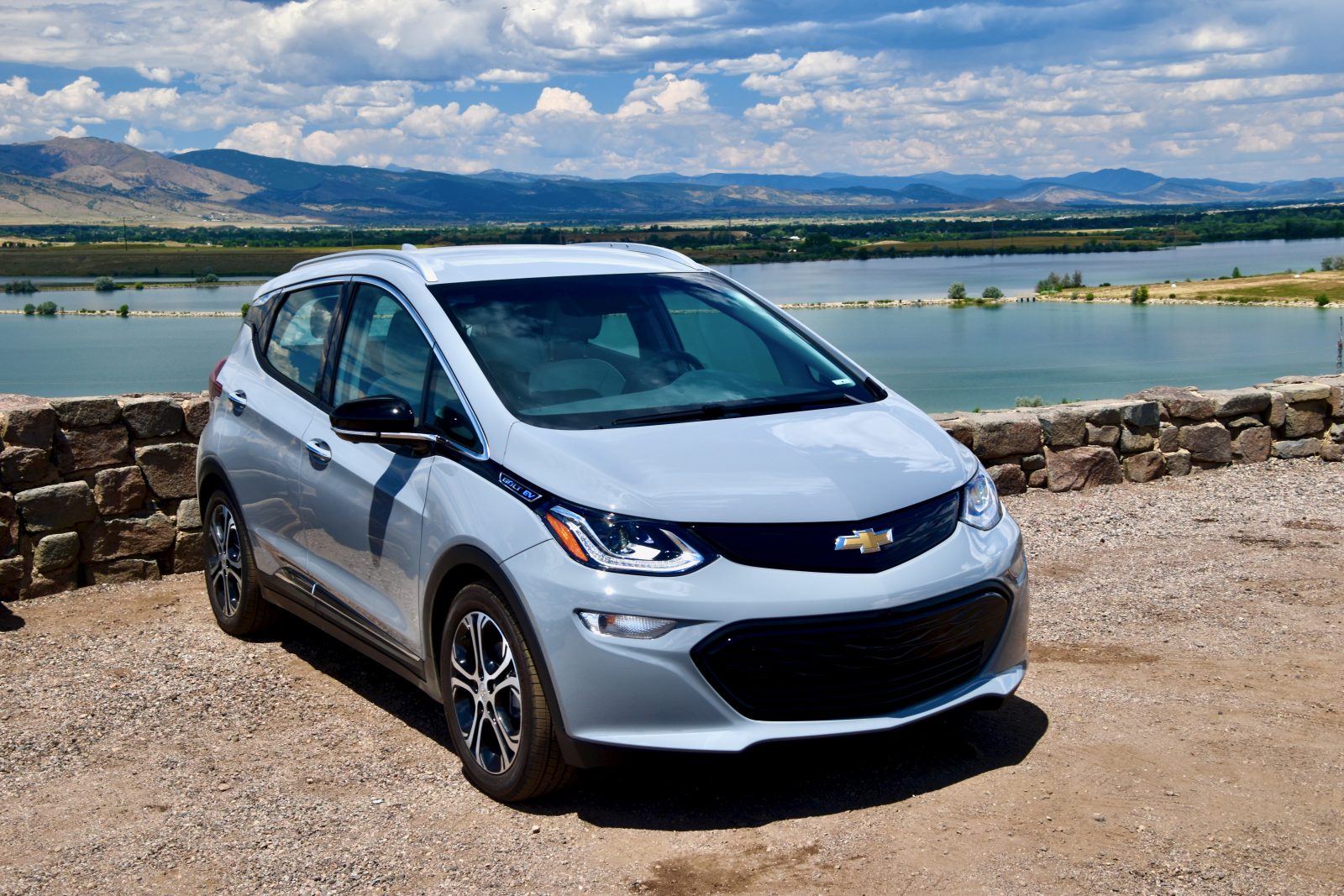
Back in 2016, Chevrolet introduced the Bolt electric car as a low-cost and versatile little electric vehicle option for the masses. It slowly grew on people and became fairly popular. Everyone from Motor Trend to NACTOY (North American Car, Truck Of the Year) gave it glowing awards. By the time I drove one in 2020, it was a well-vetted, easily affordable little car that was fast gaining popularity as a perfect commuter, Uber, and daily for a lot of people; especially those living on the west coast.
Behind the scenes, however, General Motors was losing money on the Bolt. Losses of anywhere from $5,000 to $8,000 per unit were being claimed by automotive media. But in the same year I drove the car, things started to heat up for it. Literally. A recall affecting every single Bolt (and its European counterpart, the Ampera-e) required full battery replacement. Because the batteries were catching fire during charging. And GM suddenly had to figure out how to replace batteries on about 142,000 EVs.
Chevrolet halted production of the Bolt in August of 2021 and redirected all of the car’s battery production to replacements for the recall. LG Chem, who made the batteries in Korea, had to kick into overtime to fulfill orders. Meanwhile, bad press was unavoidable. The U.S. National Highway Traffic Safety Administration (now famously) recommended parking Bolts outside and away from structures. After at least five known fires caused by the EV had injured two people and burnt homes or garages.
The upside for owners after all of this was that replaced batteries in older Bolt models had the slightly higher capacity of the newer models, adding more range. The downside was that resale values had tanked.
Meanwhile, the Bolt’s main assembly plant in the USA, at Orion Township, was retooled for the then-new Silverado EV and Sierra EV pickup trucks. Making it look as if the Bolt was not coming back.
That was solidified when GM announced that the new, shiny Equinox EV — a sibling of the Blazer EV — would be the low-cost option for those looking for an affordable electric car. The Bolt was officially discontinued in 2023. And people weren’t happy.
Then we had an announcement that the Bolt was making a comeback in 2026 as a 2027 model year vehicle. Production on the new generation Bolt began late last year. This new Bolt is basically the previous-generation Bolt EUV restyled and renamed. It’s on GM’s Ultium platform, which is shared across most of the company’s EV models.
But there is a catch to this new model release: GM is only going to produce it for about 18 months. Then production will end. Why? Well, probably because it’s never going to show a profit. And despite many of the EVangelists screaming for a low-cost EV, the low-cost options on the market aren’t exactly flying off showroom floors right now.
Not to mention, if we’ve learned anything about GM and electric vehicles, it’s that the company is very fickle. “Hey! New and shiny car! Check it ou… Squirrel!”
This article originally published on the AaronOnAutos Substack.
