

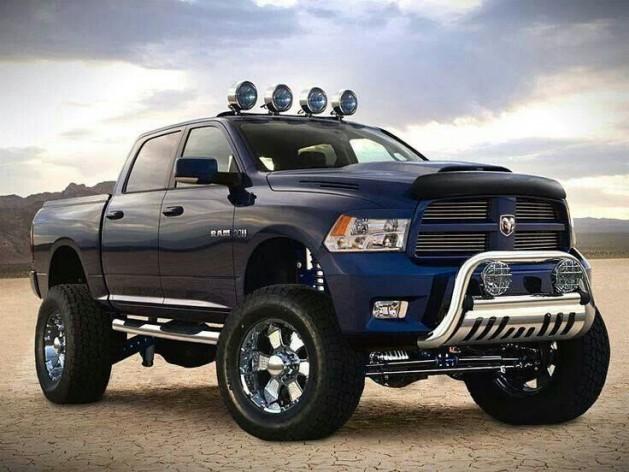
Pickup trucks are built to work hard. But even the toughest rigs off the factory floor leave room for improvement. Whether you haul equipment across the country, chase job sites from state to state, or simply want more capability out of every mile, the right upgrades can transform your truck from a good vehicle into a great one. Here’s where to start.
Start With What Holds Most Trucks Back: Fuel Range
Range anxiety isn’t just for electric vehicles. Ask any long-haul driver and they’ll tell you that stopping for fuel in the middle of nowhere — or worse, running dry on a remote job site — kills productivity and patience in equal measure.
One of the smartest investments a serious truck owner can make is installing aux fuel tanks for truck beds. These auxiliary tanks mount cleanly in the bed and connect directly to your main fuel system, effectively doubling your range without any sacrifice in payload or truck bed utility. Many models include built-in toolbox combinations, giving you extra storage on top of the extra fuel. For contractors, ranchers, or anyone who regularly operates in areas where gas stations are few and far between, this upgrade pays for itself fast.
Brands like Transfer Flow and RDS Manufacturing make transfer-flow auxiliary systems that are DOT-certified and designed for a clean, factory-like install. When you’re planning a build, this is the upgrade to do first.
Unlock More Power Without Breaking the Engine
Modern trucks are often tuned conservatively by manufacturers to meet emissions standards and accommodate a wide range of drivers. That means there’s power sitting on the table, waiting to be claimed.
A performance tune or programmer is one of the most cost-effective power upgrades available. Devices from companies like Edge Products, DiabloSport, and Banks Power allow you to adjust shift points, throttle response, and fueling curves to better match how you actually use your truck. Towing-specific tunes can add meaningful torque at the RPM range where you need it most.
Pair a tune with a cold air intake and a cat-back exhaust system and you’ll notice the difference immediately. These three upgrades work together to improve airflow in and out of the engine, which means better combustion, more horsepower, and often better fuel economy during normal driving.
Suspension and Towing: The Foundation of a Working Truck
Power means nothing if your truck squats and sways the moment you hook up a trailer. Upgrading your suspension is essential for anyone who regularly tows or carries heavy loads.
A set of add-a-leaf springs or a helper spring kit can dramatically improve rear-end stability under load. Air suspension kits, like those from Firestone or Air Lift, go even further by letting you adjust your ride height and load leveling on the fly. Combined with upgraded shocks — Bilstein and Fox are perennial favorites — your truck will handle like it was made to carry weight, because now it truly is.
Don’t overlook your brake system either. If you’re adding power and towing capacity, upgraded brake pads and rotors are a safety upgrade, not just a performance one.
Technology Upgrades That Actually Matter
The best modern trucks are rolling command centers. If yours isn’t keeping up, a few well-chosen tech upgrades can close the gap quickly.
A backup camera and trailer camera system is a must-have for serious towers. Aftermarket options from Furrion, Garmin, and Rear View Safety install cleanly and give you a real-time view of your trailer and hitch. Wireless options have gotten very good and very affordable in recent years.
Tire pressure monitoring systems (TPMS) for trailer axles are another underrated addition. Knowing your trailer tire pressure in real time prevents blowouts before they happen, which on a loaded trailer at highway speed can be genuinely dangerous.
For trucks that spend time off-road or on remote work sites, a quality GPS unit with offline maps can save you when cell service disappears. Garmin’s overlanding units are purpose-built for exactly this.
Lighting: See More, Work Longer
LED light bars and pod lights have become standard equipment on serious working trucks for good reason. They throw a massive amount of usable light at a fraction of the power draw of older halogen systems. A good light bar on the roof or bumper transforms night work and poor-weather driving.
Bed lighting is equally practical. LED strips inside the bed make loading and unloading at night dramatically easier and safer.
Build Your Truck Around How You Actually Use It
The best truck upgrade strategy is a simple one: identify your biggest daily frustration and fix that first. For most working truck owners, that frustration is range. Getting stranded or making unnecessary fuel stops costs real time and real money. That’s why auxiliary fuel solutions tend to be the first upgrade serious owners add — and the one they’re most glad they did.
From there, stack your power, suspension, and technology upgrades in a logical order. Each one builds on the last, and together they turn a capable truck into an exceptional one. Whatever the road throws at you — or however far you have to go to reach it — the right upgrades mean you’re ready.
