

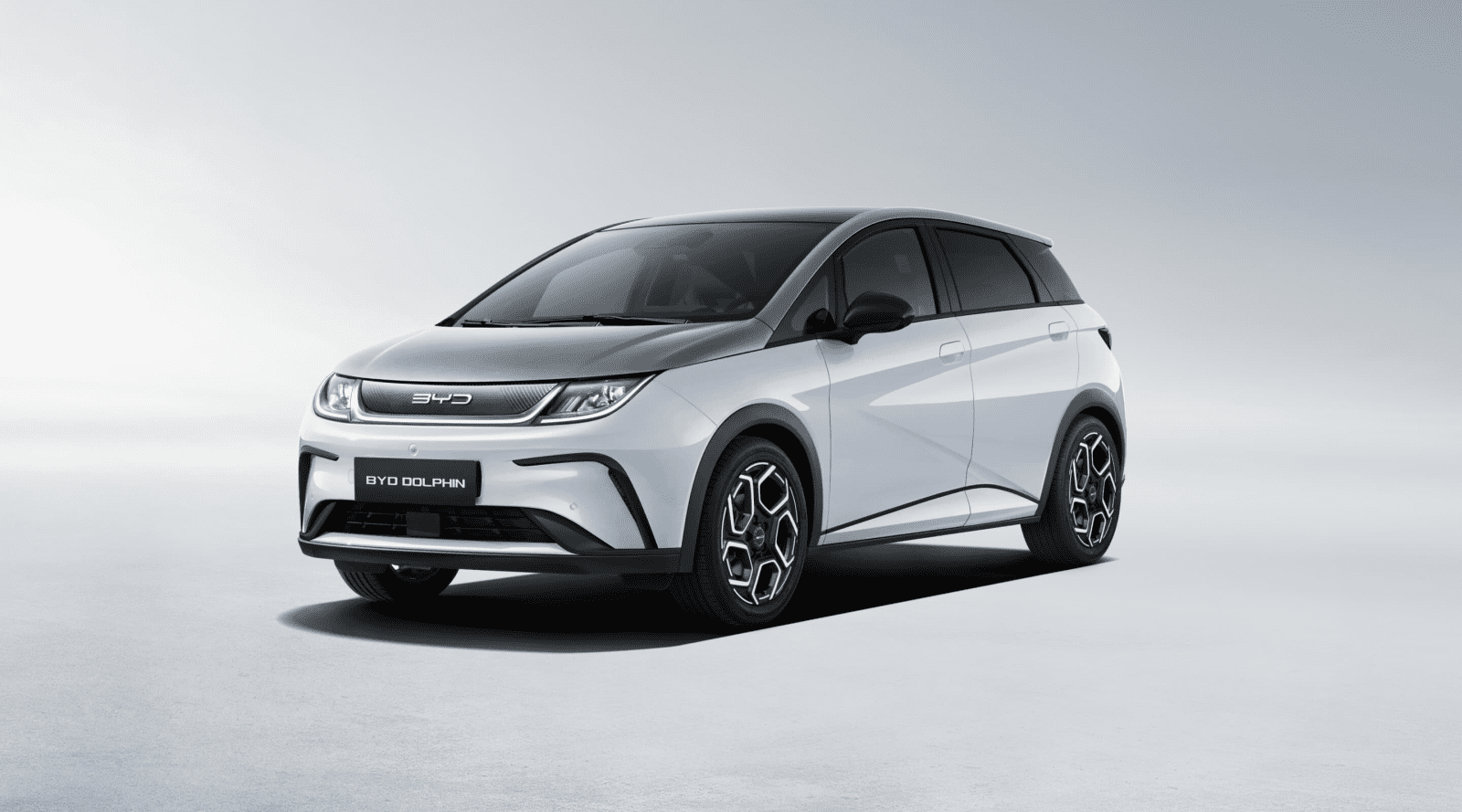
For years, the electric vehicle market behaved like a luxury-tech arms race. Carmakers competed to build faster EVs, flashier EVs, and six-figure electric land yachts capable of launching suburban commuters into low Earth orbit. Meanwhile, normal buyers just wanted something affordable.
In 2026, automakers are finally starting to understand that not everyone needs a 500-mile battery pack and enough horsepower to bend spacetime. Consumers want electric cars that are practical, inexpensive, and available without a six-month waitlist or a second mortgage. That last part matters.
Because there’s a huge difference between a “cheap EV announced at an auto show” and a cheap EV you can actually walk into a dealership and buy before civilization collapses under subscription services.
Here are the 6 cheapest electric vehicles you can realistically buy in 2026. Vehicles that balance price, usability, and actual market availability.
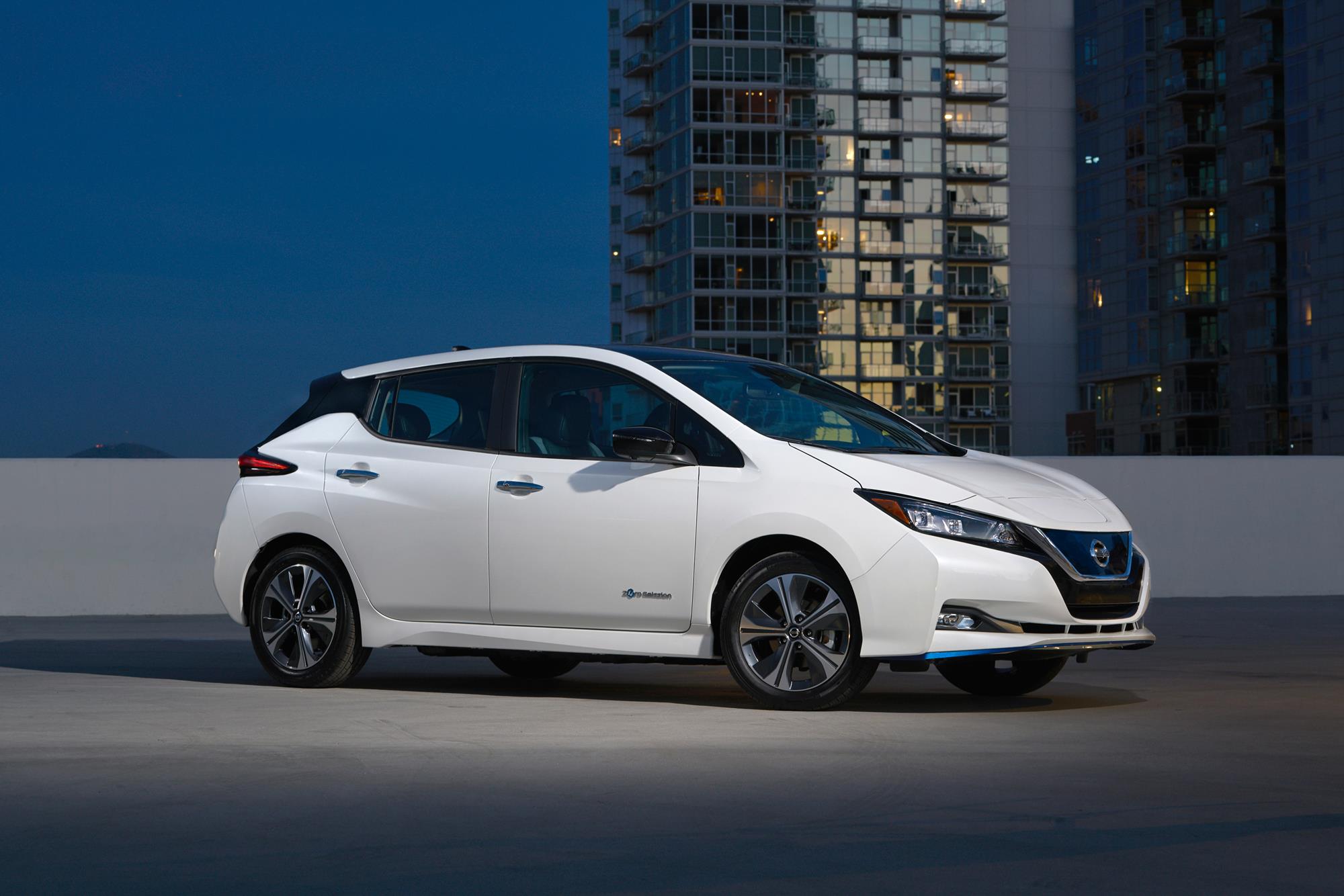
1. Nissan Leaf
The humble Leaf refuses to die.
While flashier competitors chased giant touchscreens and spaceship styling, the Leaf quietly remained one of the cheapest EVs on the market. In 2026, it’s still one of the best entry points into electric ownership.
Sure, the design looks like it escaped from a 2017 rental fleet, but that’s part of its charm. The Leaf has become the automotive equivalent of cargo shorts: practical, slightly uncool, and weirdly effective.
The base models remain relatively affordable while offering enough range for most daily commuting needs. And because Nissan has been building these things forever, reliability is generally solid. The biggest downside? CHAdeMO charging. Using one sometimes feels like trying to find a MiniDisc player at Best Buy.
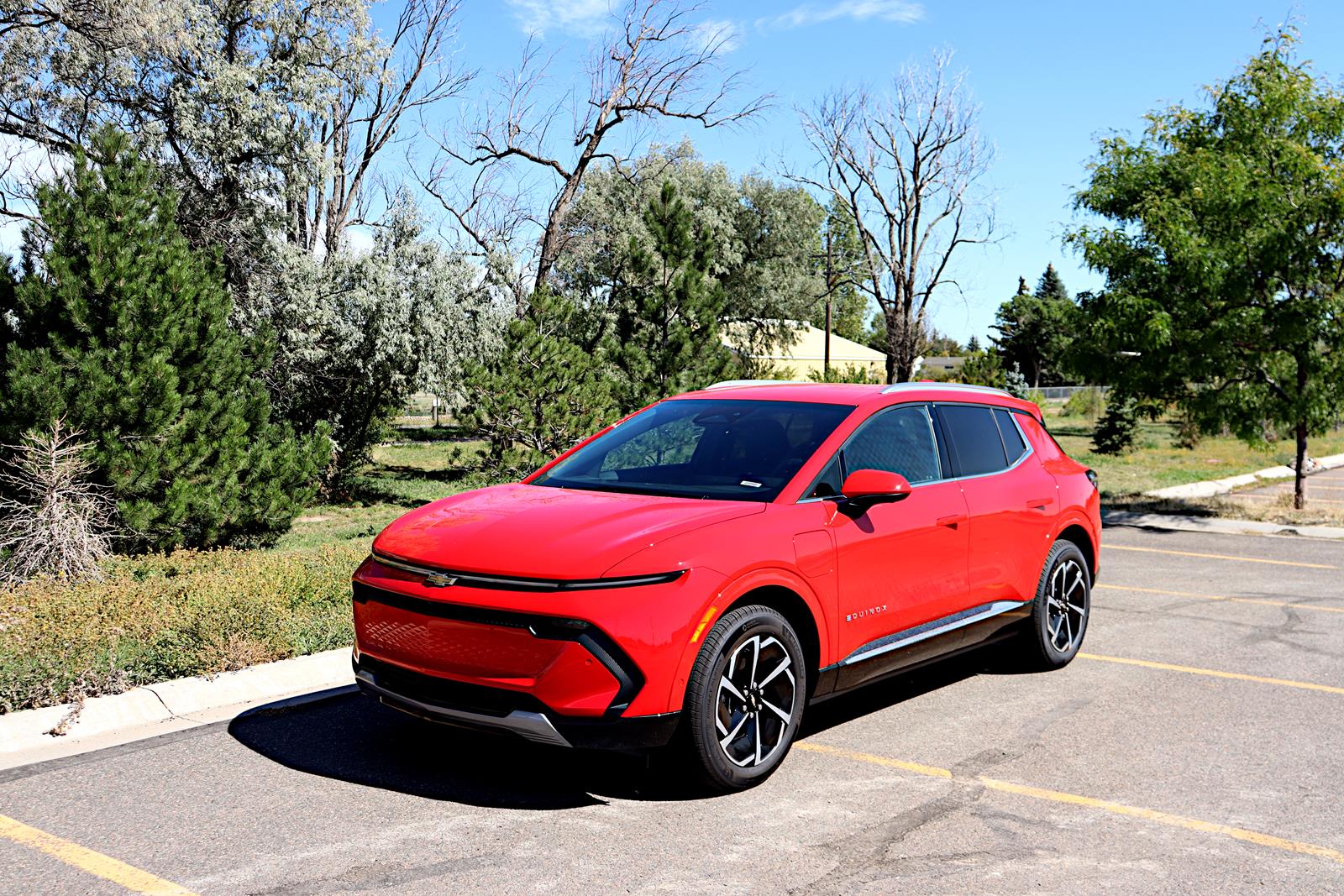
2. Chevrolet Equinox EV
The Equinox EV is arguably the vehicle that finally made affordable electric crossovers feel normal. Chevrolet wisely avoided turning it into a futuristic design experiment. Instead, it looks like a crossover. Because that’s what it is. Consumers appreciate that.
Pricing has remained aggressively competitive, especially compared to many similarly sized EVs. Buyers also get respectable range, decent interior space, and the comforting realization that they don’t need to explain their vehicle choice to confused relatives.
“Is it electric?”
“Yes.”
“Why doesn’t it look weird?”
“Because Chevrolet wants to sell them.”
An underrated strategy.
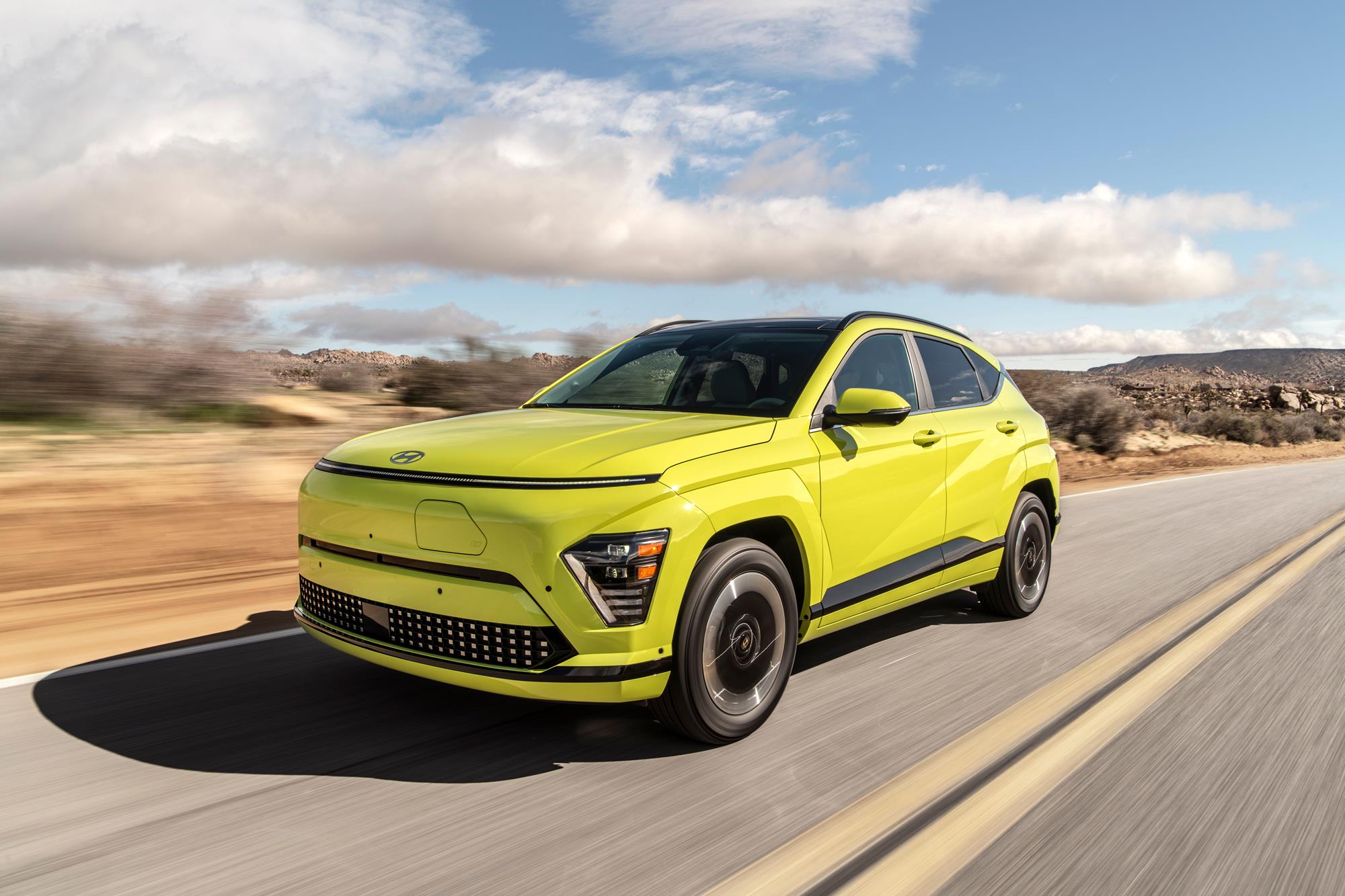
3. Hyundai Kona Electric
The Kona Electric continues to punch above its weight.
It’s compact enough for urban use while still offering practical cargo space and surprisingly good range for the money. Hyundai has also improved interior quality substantially over the past few years, making the Kona feel less like an economy car and more like a legitimate mainstream crossover.
The updated styling helps too. Earlier Konas looked vaguely surprised all the time. The newer one appears much more confident about its existence. For buyers wanting affordable EV ownership without sacrificing modern tech features, the Kona remains one of the smartest choices available.

4. Fiat 500e
The Fiat 500e is proof that not every EV needs to be a rolling technology demonstration.
It’s tiny, charming, stylish, and unapologetically built for cities. Range is modest compared to larger EVs, but that’s sort of the point. This isn’t a cross-country road-trip machine. It’s urban transportation with personality.
Driving one through downtown traffic feels like piloting an overcaffeinated espresso pod.
And honestly? That’s fun.
The 500e succeeds because it embraces its limitations instead of pretending to be something it isn’t.

5. Kia Niro EV
The Niro EV has quietly become one of the most rational vehicles on sale.
It’s roomy, efficient, easy to drive, and priced competitively enough to attract buyers who might otherwise default to hybrids. Kia also avoided stuffing the cabin full of gimmicks, which is increasingly refreshing in a market where some automakers seem determined to replace every physical button with an emotional support touchscreen.
The Niro simply works. Sometimes boring competence is underrated.
6. Chevrolet Bolt
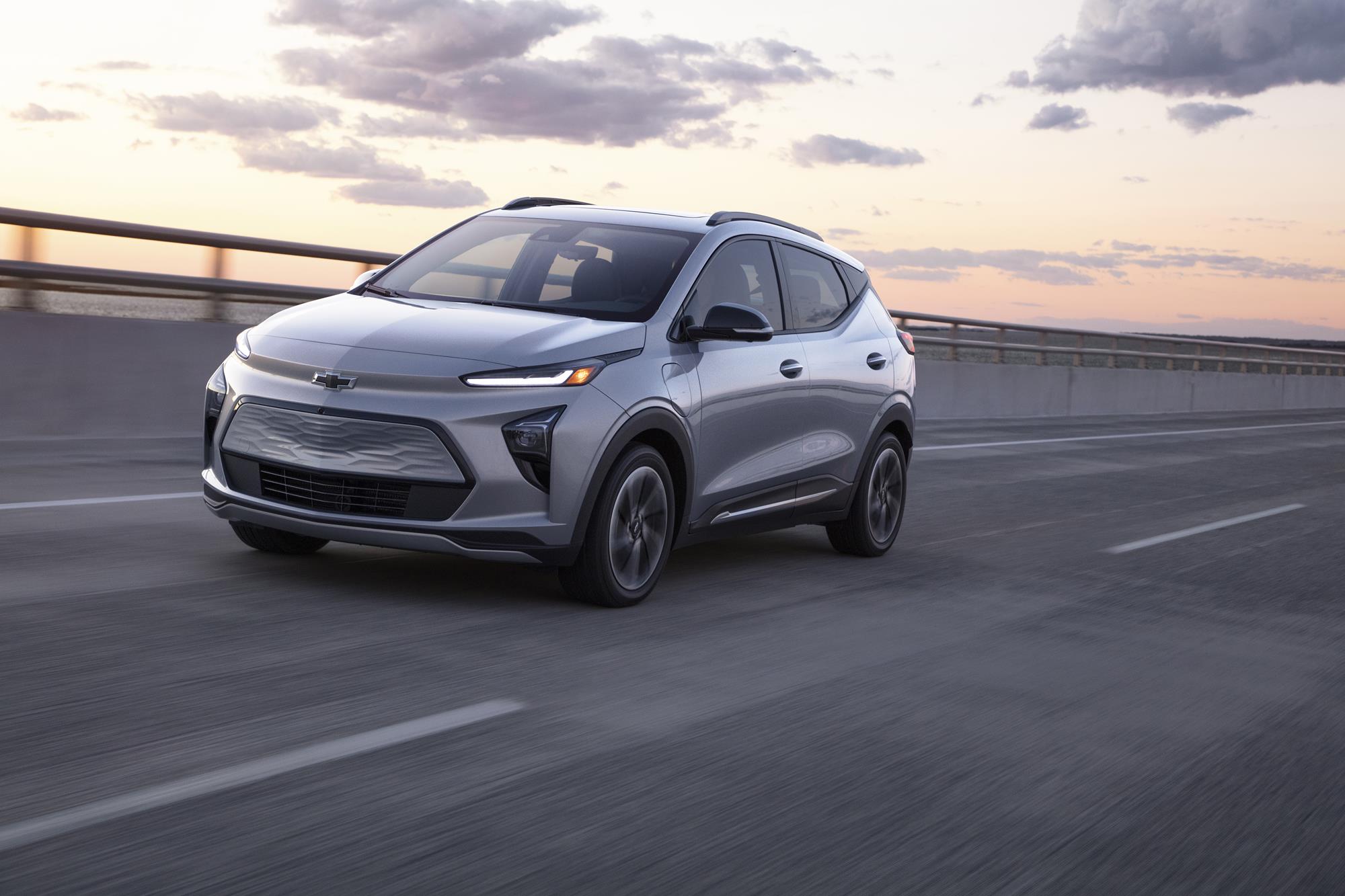
The Bolt refuses to disappear because it still makes too much sense.
Even after various production pauses and rumors of cancellation, the Bolt remains one of the best value propositions in the EV world. The EUV version adds enough crossover flavor to satisfy American tastes without becoming bloated or expensive.
It’s also one of the few EVs that consistently feels attainable for middle-class buyers rather than affluent early adopters.
The Bolt’s greatest strength is that it behaves like a normal car. That sounds simple, but it’s clearly a trend on our list here.
Affordable EVs are finally becoming normal
The biggest shift in 2026 isn’t just that cheap EVs exist. It’s that they’re becoming normal consumer products instead of technological status symbols.
Buyers increasingly care less about:
- zero-to-60 times
- giant screens
- autonomous driving promises
- “revolutionary mobility ecosystems”
..and more about:
- monthly payments
- insurance costs
- charging convenience
- reliability
- practicality
That shift is healthy.
The EV market doesn’t need more six-figure halo cars. It needs affordable transportation people can realistically own without reorganizing their lives around charging apps and software updates. In many ways, the future of electric vehicles won’t be decided by luxury sedans or hypercars.
It’ll be decided by affordable little crossovers quietly sitting in dealership lots waiting for normal people to buy them.
