

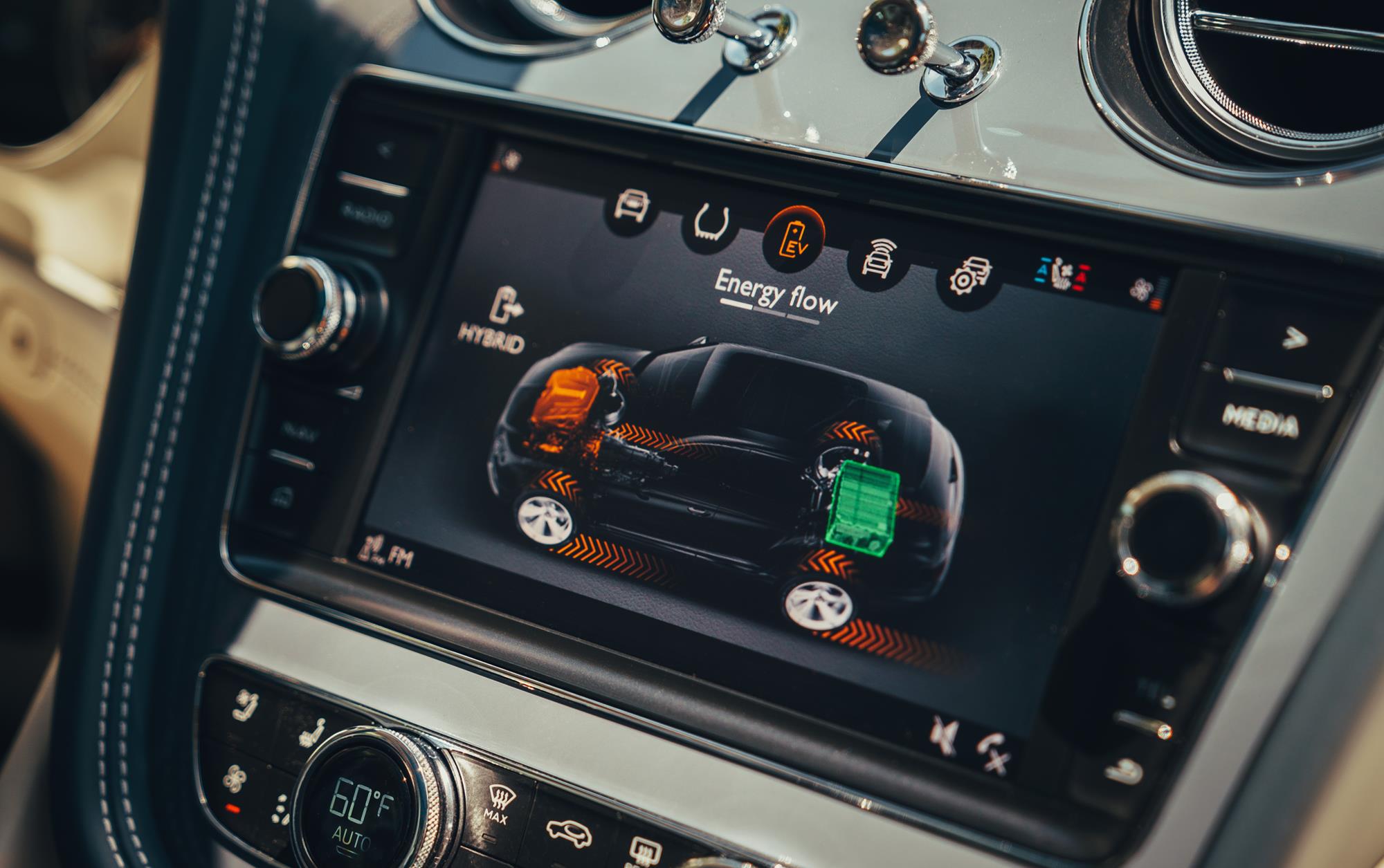
A funny thing happened on the road to the all-electric future: people started buying hybrids again. Not quietly, either.
Hybrid sales are booming in 2026 while many fully electric vehicles are sitting on dealer lots longer than automakers would like. After years of breathless electric vehicle headlines promising a battery-powered revolution by next Tuesday, consumers are increasingly landing somewhere in the middle. And that middle is spelled H-Y-B-R-I-D.
Turns out Americans still like gasoline. They also like not spending a small mortgage payment on a vehicle. And they really like not planning their bathroom breaks around charger availability in rural Wyoming. That’s where hybrids have swooped in like the sensible shoes of the automotive world: not exciting at first glance, but surprisingly comfortable once you live with them.
The EV Honeymoon Is Cooling Off
For several years, electric vehicles dominated automotive news cycles. Every automaker wanted to announce a 100% electric future. Pickup trucks became rolling lithium mines. SUVs started looking like kitchen appliances designed by Scandinavian architects. And consumers were interested.. At least initially.
Early adopters jumped in. Government incentives helped. Gas prices fluctuated wildly enough to make EVs seem attractive. But then reality started tapping buyers on the shoulder.
Charging infrastructure remains inconsistent outside major urban areas. Winter range loss is very real. Insurance costs can be shocking. Battery replacement fears persist. And perhaps most importantly, EV prices are still too high for many households.
Meanwhile, hybrids quietly kept doing hybrid things: getting excellent fuel economy without asking owners to completely change their lifestyles. No charging station apps. No range calculators. No arguments over whether a hotel charger actually works. Just gas stations. Already abundant.
Hybrids Have Become Seriously Good
The biggest reason hybrids are surging now is simple: modern hybrids no longer suck.
Early hybrid vehicles often felt like punishment machines for environmentally conscious accountants. They were slow, weird-looking, and drove with all the passion of a microwave oven.
Today’s hybrids are different. The latest hybrid systems from Toyota, Honda, Ford, and Hyundai are refined, quick, smooth, and often genuinely pleasant to drive. Some hybrid SUVs now get 40+ mpg while still offering all-wheel drive, roomy interiors, and enough cargo space for an entire youth soccer league. Hybrid pickup trucks can tow boats while averaging fuel economy numbers that would’ve sounded fictional ten years ago.
And unlike full EVs, hybrids don’t require lifestyle negotiations. You don’t need to install a charger in your garage. You don’t need to know what Level 2 charging means. You don’t need a spreadsheet before taking a road trip. You just drive the thing.
Consumers Want Practicality and Convenience, Not Ideology
The automotive industry sometimes forgets that most buyers are not online arguing about battery chemistry. Normal people just want transportation that:
- starts every morning,
- doesn’t cost a fortune,
- gets decent fuel economy,
- and won’t ruin a family vacation.
Hybrids check those boxes better than EVs for many consumers right now. That doesn’t mean EVs are failing. Far from it. EV adoption continues growing in many segments, especially luxury vehicles and commuter-focused urban markets. But the “everyone will drive EVs immediately” narrative has clearly softened.
Consumers are proving they prefer evolutionary change over revolutionary mandates. Hybrids feel familiar while still delivering meaningful efficiency improvements. It’s less “the future is now” and more “the future can wait until this charging station in Nebraska stops being broken.”
Hybrid Trucks Are a Huge Deal
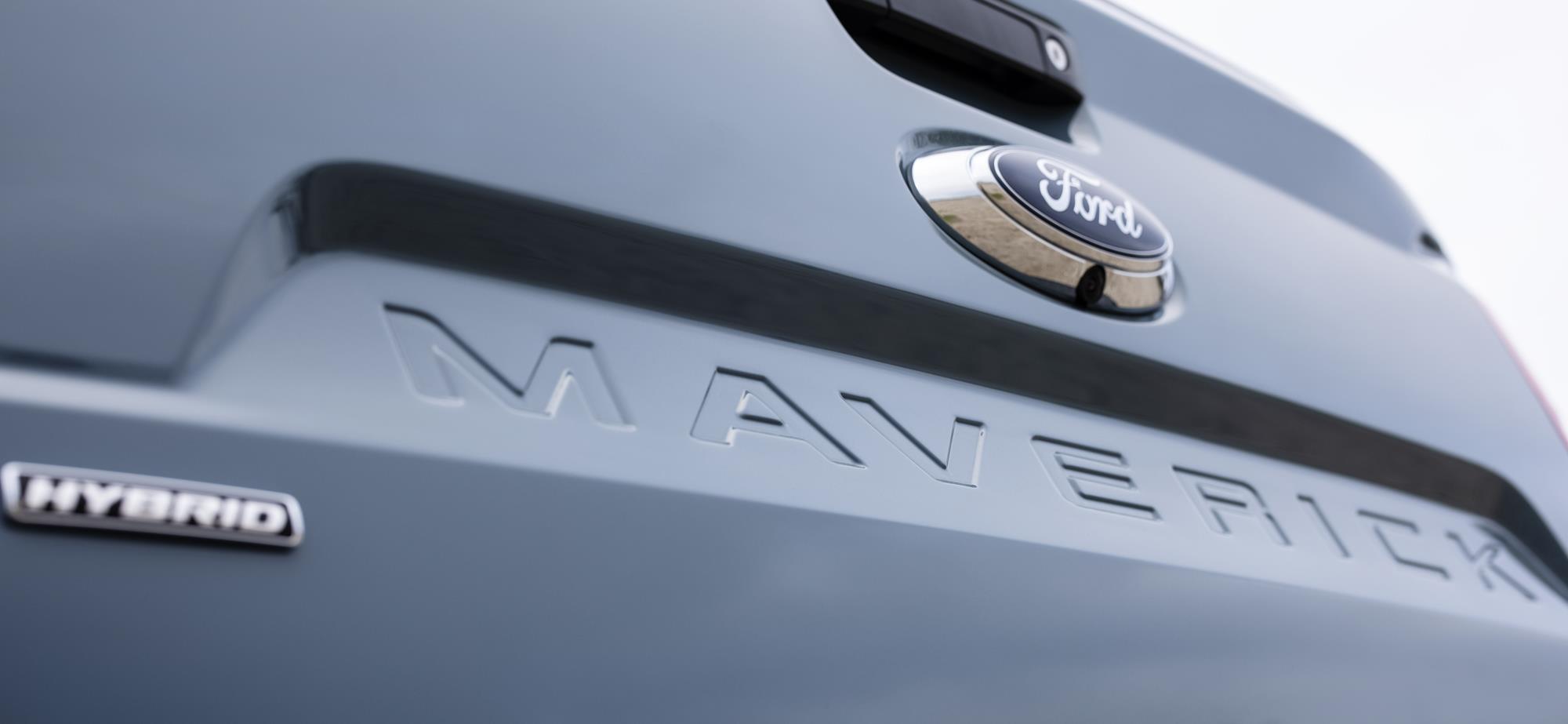
One of the biggest shifts happening in 2026 is the rise of hybrid trucks. This matters because trucks are America’s automotive religion. The hybrid versions of vehicles like the Ford F-150 PowerBoost and newer hybrid midsize trucks are attracting buyers who want better fuel economy without sacrificing capability.
That combination is powerful.
Truck buyers were never going to abandon towing, payload, or long-distance convenience just to save fuel. But if they can gain 8–10 mpg without changing how they use their truck? Suddenly the math works.
A full EV pickup still raises concerns for many owners:
- towing range,
- charging while hauling,
- cold-weather performance,
- infrastructure in rural areas,
- and overall purchase price.
A hybrid truck sidesteps most of those concerns while still cutting fuel costs substantially. That’s why hybrid trucks may ultimately become one of the industry’s biggest transitional technologies.
Automakers Are Quietly Pivoting
Watch what automakers do, not what they say during flashy presentations with dubstep music and glowing concept cars. Several manufacturers that loudly proclaimed “all EV everything” are now reinvesting heavily in hybrids.
Why? Because hybrids sell.
Dealers are reporting stronger demand for hybrids than many expected. Waiting lists for some hybrid models are longer than their gas-only counterparts. Consumers increasingly view hybrids as the safe, rational choice. And rational choices tend to win during periods of economic uncertainty.
Higher interest rates and affordability concerns are also pushing buyers toward hybrids. Spending $32,000 on a hybrid crossover that gets 45 mpg feels easier to justify than spending $62,000 on a luxury EV spaceship with yoke steering and mood lighting.
The Infrastructure Problem Isn’t Going Away Quickly
A major reason hybrids are thriving is that America’s charging infrastructure still feels incomplete. Urban EV owners often do fine. Suburban households with home charging usually adapt well too. But millions of Americans live in apartments, rural areas, or regions where public charging remains inconsistent.
That’s a problem. Until charging becomes as simple and reliable as filling up with gas, many consumers will hesitate to go fully electric. Hybrids offer a compromise that feels realistic rather than aspirational. You still get reduced emissions and improved fuel economy. You still spend less at the pump. But you avoid the stress points that continue frustrating many EV owners. It’s the automotive equivalent of ordering a salad and fries.
The rise of hybrids doesn’t mean EVs are doomed. It simply means consumers are voting for flexibility. Right now, hybrids are hitting the sweet spot between efficiency, affordability, convenience, and familiarity. They may not be the flashiest vehicles on the road, but they’re increasingly the ones buyers actually want parked in their driveway.
Which, in the automotive business, matters a lot more than hype.
