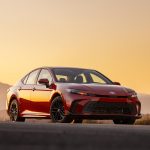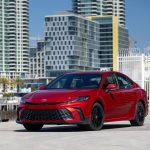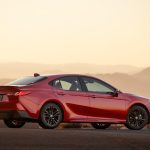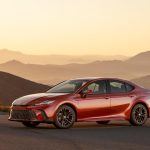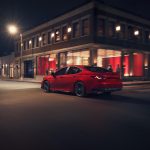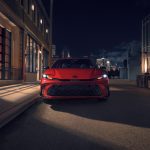

For decades, the Toyota Camry has occupied an odd place in the automotive landscape. It’s the default answer to the question nobody really wants to ask: “What’s the smartest sedan to buy?” It has rarely been exciting, has been occasionally attractive, and has almost always competent.
The 2026 Toyota Camry doesn’t rewrite that formula it created. It simply refines it. Again.
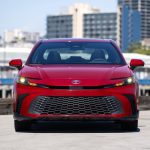
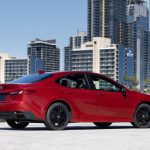
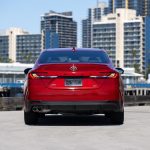
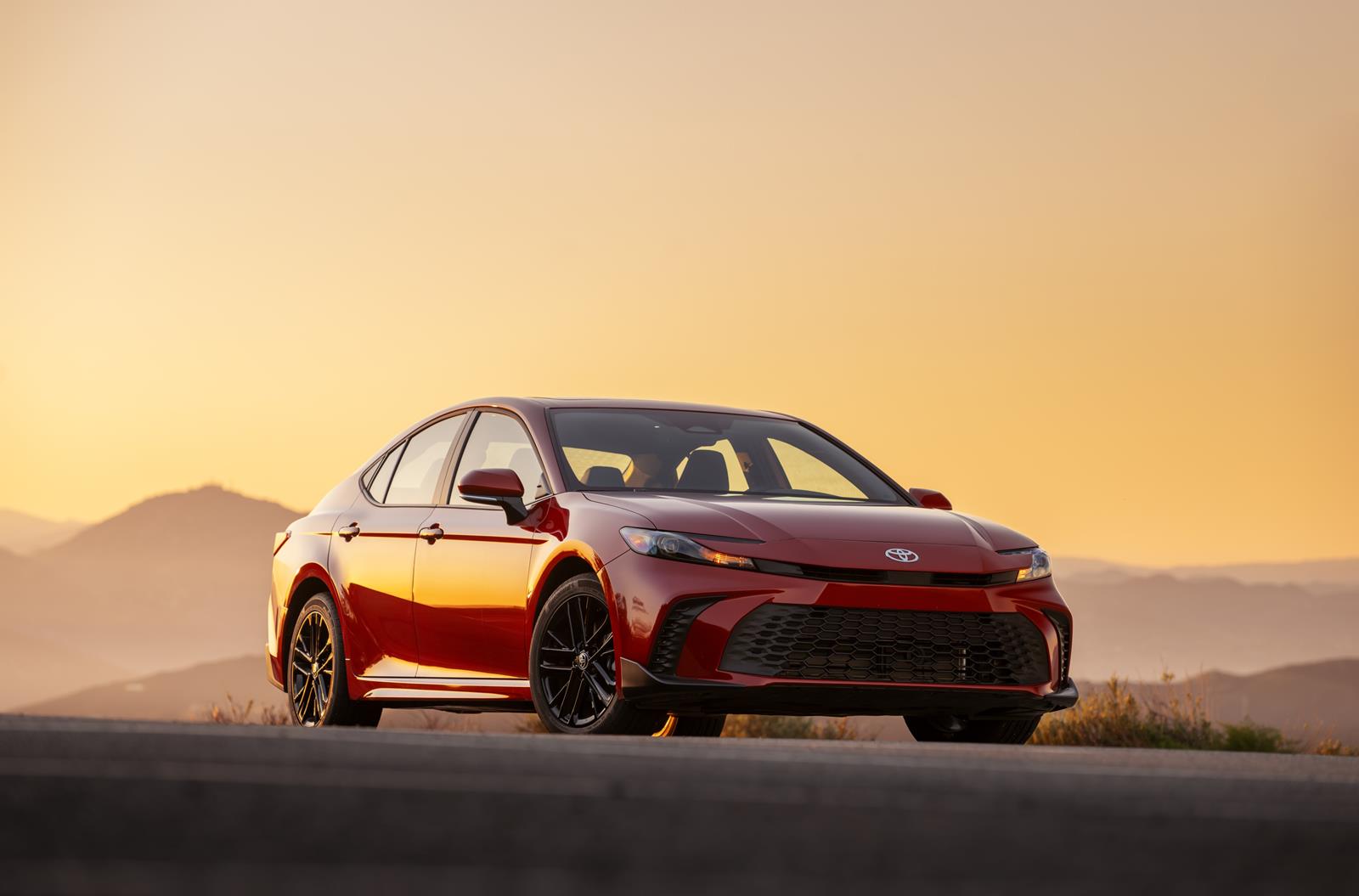
Following the complete redesign introduced last year, the 2026 model carries over largely unchanged, adding a new Nightshade trim and a fresh exterior color while retaining the all-hybrid lineup that marked one of Toyota’s boldest decisions in recent memory. Gone is the choice between gasoline and hybrid power. Every Camry is now electrified, and well, it’s difficult to argue with the results.
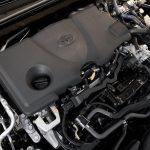
The standard front-wheel-drive model produces 225 horsepower while all-wheel-drive versions gain an electric motor at the rear axle for a combined 232 horsepower. Neither figure sounds particularly thrilling on paper, but numbers only tell part of the story.
The hybrid system delivers power in exactly the way most drivers actually use it: smooth launches from traffic lights, effortless merging onto highways, and enough midrange punch to pass slower traffic without planning the maneuver three counties in advance. Toyota has spent years refining its hybrid technology, and it shows.
Even better, fuel economy borders on absurd for a midsize family sedan. Depending on trim and drivetrain, the Camry returns anywhere from the low 40s to more than 50 mpg. That’s territory that was once reserved for compact hybrids while still offering a full-size trunk and comfortable seating for four adults.
Perhaps the biggest surprise is that the Camry no longer feels like a deep compromise.
No, it won’t fool anyone into thinking it’s a sports sedan. Steering remains a little numb on center and the suspension prioritizes composure over corner carving. But the chassis is well balanced, body motions are controlled, and the car feels planted at highway speeds. The SE, Nightshade, and XSE trims tighten things up further with sportier suspension tuning, though they give up a bit of ride comfort in exchange.
The real accomplishment is confidence. The Camry inspires it.
Visibility is excellent, controls are intuitive, and every major function is exactly where your hands expect it to be. In an era where some automakers seem determined to hide climate controls behind layers of touchscreen menus, Toyota still remembers that physical buttons have value.
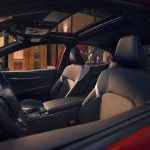
Inside, the cabin is more upscale than previous Camrys without pretending to be a Lexus. Materials are noticeably improved, panel fit is excellent, and the dashboard has a clean, horizontal layout that emphasizes width without looking busy.
The infotainment system is quick, responsive, and thankfully doesn’t require an engineering degree to operate. Wireless Apple CarPlay and Android Auto come standard, while upper trims add larger displays, a digital gauge cluster, premium JBL audio, and a surprisingly useful head-up display.
Rear seat passengers continue to enjoy one of the roomiest accommodations in the segment, and the trunk remains generous despite the hybrid battery packaging. That’s an increasingly rare achievement as crossovers dominate the market.
Speaking of crossovers, the Camry raises an uncomfortable question: Do you actually need one?
For many buyers, the answer is no.
The Camry rides comfortably, offers outstanding fuel economy, carries five people with ease, swallows luggage for a weekend getaway, and costs less than many compact SUVs while delivering a more refined driving experience. Unless ground clearance or towing capability is a necessity, the traditional sedan still makes a compelling argument.
Toyota also continues to pack the Camry with its comprehensive Safety Sense 3.0 suite, including adaptive cruise control, lane tracing assistance, automatic emergency braking, blind-spot monitoring, and rear cross-traffic alert on most trims. These systems operate with less drama than previous renditions have, intervening smoothly instead of startling the driver every few minutes.
There are, of course, a few shortcomings. The naturally aspirated four-cylinder can sound coarse when pushed hard, thanks largely to the continuously variable nature of Toyota’s hybrid transmission. Flooring the accelerator still produces that familiar drone that has become synonymous with hybrid powertrains. It’s not offensive, but it does remind you that efficiency remains the priority.
Seat comfort is another area where opinions vary. The front buckets provide decent support for daily commuting, but some drivers (like myself) may wish for more cushioning during long road trips. Fortunately, overall ride quality helps offset that.
Pricing also remains competitive. Starting around $30,000, the Camry undercuts many similarly equipped SUVs while delivering lower operating costs over time.
Sometimes progress isn’t about becoming something entirely new. Sometimes it’s about becoming the best possible version of what you’ve always been.