

For years, electric vehicle conversations have revolved around range, charging speed, and whether or not your uncle still insists EVs burst into flames if you look at them wrong.
But as the first major wave of modern EVs ages into middle age, consumers are starting to ask a different question: “What happens when the battery dies?”
It’s a fair concern. After all, the battery pack is effectively the heart and wallet-draining anxiety center of an electric vehicle. Unlike a gasoline engine, which can often limp along through decades of neglect and questionable oil change schedules, EV batteries carry a certain aura of technological fragility.
The good news is that most EV batteries last much longer than many people feared. The bad news is that replacing one can sometimes cost about as much as a decent used Honda Civic.
Welcome to the complicated reality of EV battery ownership in 2026.
EV batteries usually don’t “die” all at once
One of the biggest misconceptions about EV batteries is that they suddenly stop working like a AA battery in a TV remote. In reality, lithium-ion battery packs degrade gradually over time. Most EV owners experience reduced range long before total battery failure.
Think of it like aging knees. Everything still functions, but there’s less enthusiasm involved. A modern EV battery may lose:
- 5–10% capacity within the first few years
- 10–20% after roughly 8–10 years
- more depending on climate, charging habits, and usage
That means a vehicle originally rated for 300 miles of range might only deliver 240–260 miles after significant aging. For many drivers, that’s still perfectly usable. The real issue emerges when degradation becomes severe enough to meaningfully impact daily driving.
Heat is the enemy
Battery lifespan depends heavily on thermal management. Extreme heat accelerates battery degradation dramatically. That’s why EVs operating in places like Arizona, Nevada, or parts of Texas often experience faster capacity loss than vehicles living in milder climates.
Repeated DC fast charging can also increase long-term wear, especially if the battery cooling system isn’t particularly sophisticated. Early EVs suffered the most here. Some older models essentially treated battery cooling like a polite suggestion.
Modern EVs are far better. Most now include advanced liquid cooling systems designed to preserve long-term battery health. But physics remains undefeated. Heat still kills batteries faster than almost anything else.
So what does replacement actually cost?
Here’s where things get spicy. Battery replacement costs vary enormously depending on:
- vehicle brand
- battery size
- labor costs
- warranty coverage
- parts availability
In 2026, replacing a full EV battery pack typically costs somewhere between:
- $5,000 and $15,000 for smaller mainstream EVs
- $15,000 to $25,000+ for larger luxury EVs and trucks
And yes, some high-end battery packs can exceed $30,000 installed. That’s the moment many owners briefly stare into the middle distance and reconsider bicycles. The good news is that full replacement is often unnecessary.
Individual module repairs are becoming more common
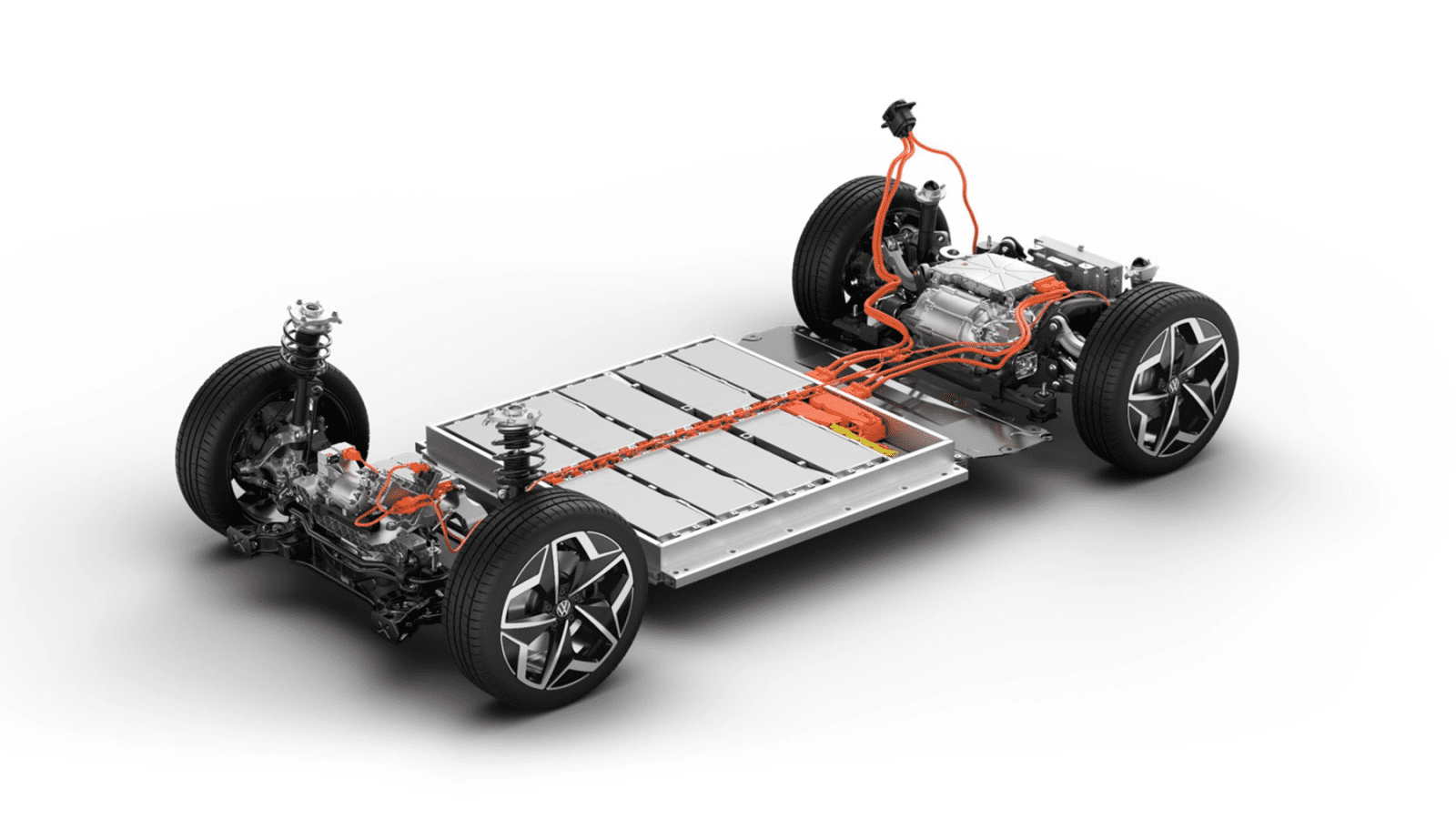
Most modern EV battery packs consist of modules rather than one giant monolithic battery brick. Increasingly, repair shops can replace:
- individual modules
- cooling components
- faulty sensors
- damaged connectors
Instead of swapping the entire pack. This is dramatically reducing repair costs in many situations.
Independent EV repair shops are also becoming more common, helping lower labor prices compared to dealership-only service models. Right now, the EV repair industry feels a bit like the early days of smartphone repair: expensive, slightly mysterious, and full of technicians who own unusually precise screwdrivers.
As the market matures, repairs are gradually becoming more accessible.
Warranties are doing a lot of heavy lifting
Most automakers offer substantial battery warranties. In the United States, many EV batteries are covered for:
- 8 years
- 100,000 miles
- and sometimes longer
Manufacturers also usually guarantee a minimum retained battery capacity, often around 70%. That means many early battery failures are covered under warranty rather than becoming catastrophic owner expenses. This is one reason used EV buyers obsess over remaining warranty coverage. A battery warranty can be the difference between “great deal” and “financial jump scare.”
Used EV buyers are changing the conversation
Battery health has become the EV equivalent of mileage. Used-car shoppers increasingly ask:
- What’s the remaining battery capacity?
- How often was it fast charged?
- Was it driven in extreme heat?
- Has the battery been repaired?
- What does the diagnostic report show?
Battery-health testing services are growing rapidly because consumers want measurable data before buying a used EV. In many ways, the used EV market is becoming more technologically sophisticated than the used gasoline-car market ever was. Buyers now analyze degradation percentages the way sports fans debate quarterback ratings.
Some EVs are aging much better than others
Not all batteries degrade equally. Several factors influence longevity:
- thermal management quality
- battery chemistry
- software controls
- charging behavior
- climate exposure
Tesla, Hyundai, Kia, BMW, and several newer-generation GM products have generally shown strong long-term battery durability. Meanwhile, some earlier EVs (especially those lacking robust cooling systems) experienced noticeably faster degradation.
This is creating an interesting divide in the used market. Certain older EVs remain highly desirable because buyers trust their batteries. Others depreciate like abandoned exercise equipment in February.
Recycling and second-life batteries are growing industries
Dead EV batteries aren’t always truly dead. Even after a battery loses enough capacity to be impractical for vehicle use, it can still function in:
- home energy storage
- grid backup systems
- industrial power applications
Battery recycling technology is also improving rapidly. Companies are increasingly recovering:
- lithium
- nickel
- cobalt
- copper
All from aging battery packs.
That means future battery replacements may eventually become cheaper as recycled materials re-enter the supply chain. Right now, though, large-scale battery recycling still feels a little like the early internet: promising, rapidly evolving, and occasionally on fire.
The bigger truth: most owners will never replace the battery
Here’s the part that often gets lost in online panic discussions: Most EV owners will probably never need a full battery replacement.
Many batteries are lasting well beyond 150,000 miles with acceptable degradation levels. By the time a replacement becomes necessary, a large percentage of vehicles may already be nearing the end of their usable lifespan for unrelated reasons. The average consumer trades vehicles long before catastrophic battery failure becomes an issue.
In other words, the internet talks about battery replacement far more often than most owners actually experience it. That said, replacement costs remain important because they directly affect:
- resale value
- used EV pricing
- insurance calculations
- long-term ownership confidence
Consumers want reassurance that their vehicle won’t become a giant driveway paperweight after a decade. That’s reasonable.
EV ownership is entering its real-world phase
The EV market is growing up. The conversation is shifting away from futuristic hype and toward practical ownership realities:
- maintenance
- depreciation
- insurance
- repairs
- longevity
That’s healthy.
Gasoline vehicles spent over a century developing repair networks, aftermarket support, and predictable ownership expectations. EVs are only now entering that phase. Battery replacements are still expensive. But they’re becoming better understood, more repairable, and less terrifying than early fears suggested.
And importantly, the industry is learning.
The future of EV adoption may depend less on building the fastest electric supercar and more on answering one very ordinary consumer question: “What happens after 100,000 miles?”
We’re finally starting to get real answers.
