

Affordable crossovers used to come with an unspoken agreement between automaker and buyer: “Yes, it’s cheap. Please lower your expectations accordingly.”
You got wheezy engines, interiors made from recycled yogurt containers, and driving dynamics comparable to a folding chair falling down stairs. The entire experience felt engineered by sadness.
Thankfully, that’s changing. Modern affordable crossovers have become shockingly competent. Many now offer solid technology, good fuel economy, decent styling, and enough comfort to survive a road trip without questioning your life choices.
No, they’re not luxury vehicles. But they also won’t punish you for having a budget.
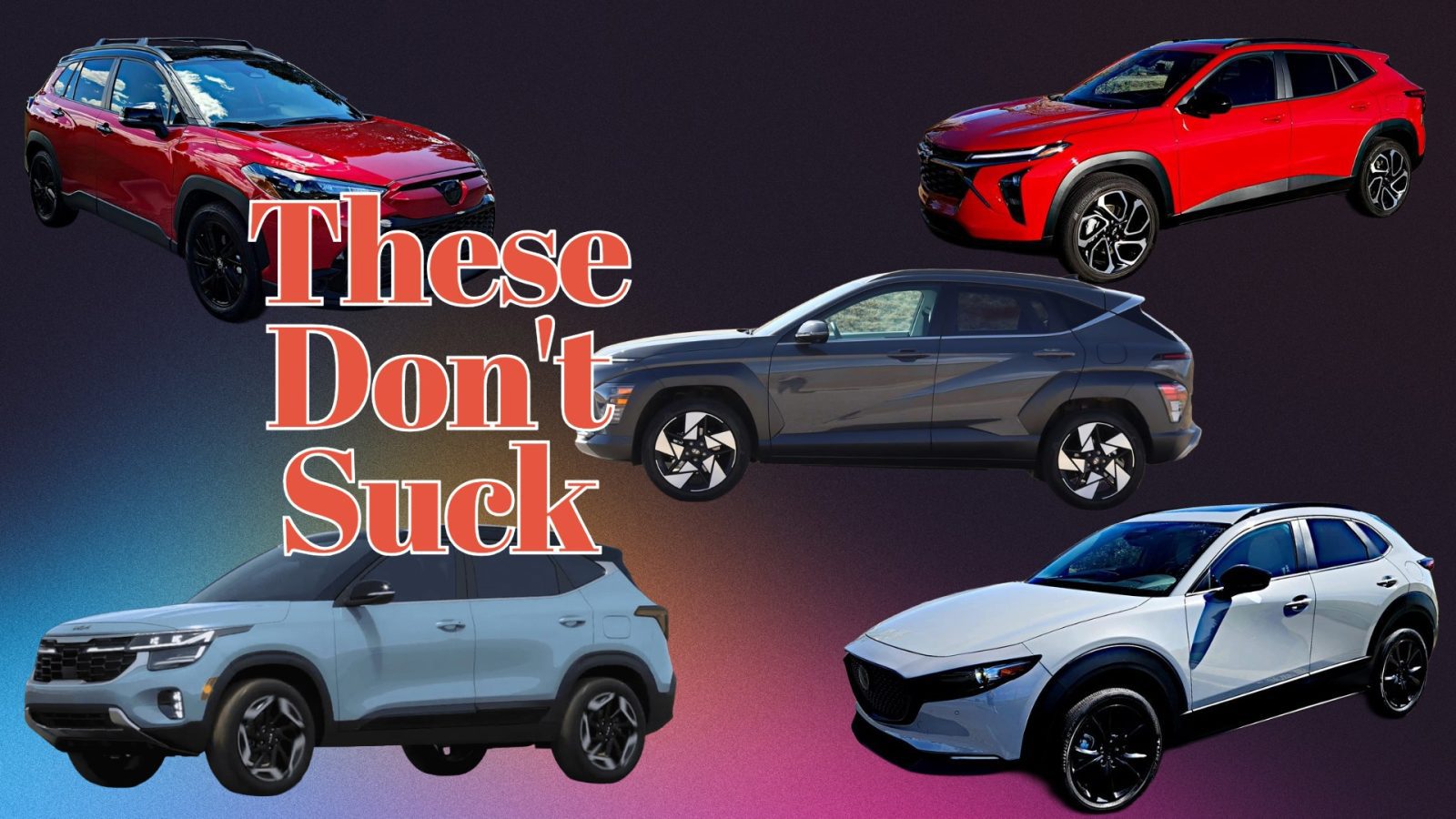
Here are five very affordable crossovers that genuinely don’t suck, sorted by price.
Chevrolet Trax (about $23,000)
The new Trax is one of the biggest surprise success stories in the affordable crossover market. Previous generations felt cheap because, well… they were. The current version feels intentionally affordable instead of aggressively discounted. That’s a huge difference.
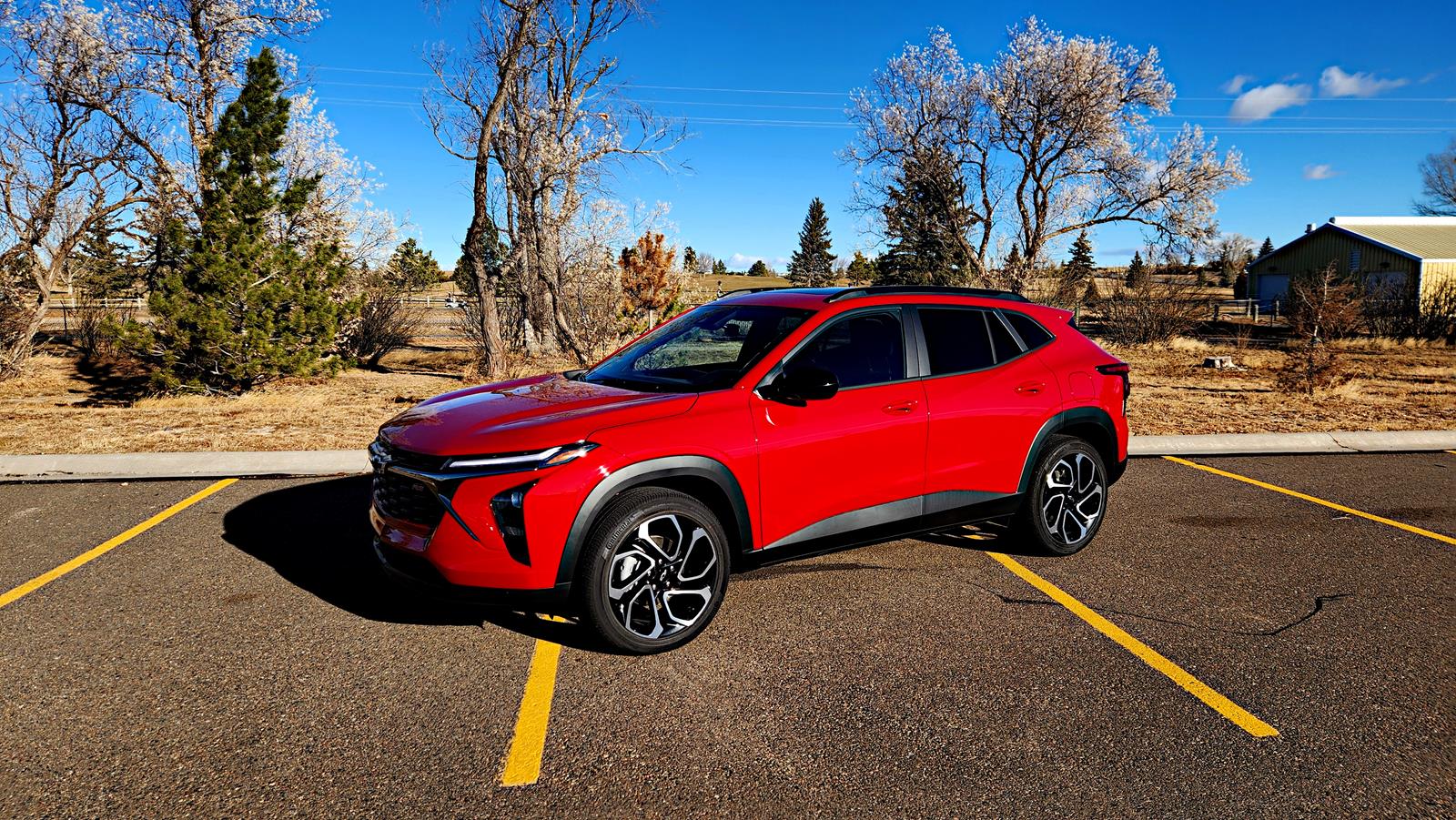
The Trax now has clean styling, a roomy cabin, impressive passenger space, and infotainment tech that doesn’t feel five years behind reality. It also rides better than many competitors costing several thousand dollars more. Is the engine thrilling? No. But it’s perfectly adequate for commuting, errands, and daily driving. Most buyers aren’t trying to set Nürburgring lap times between Target runs anyway. Honestly, at this price point, the Trax borders on suspiciously competent.
Toyota Corolla Cross (about $24,000)
The Corolla Cross is the automotive equivalent of sensible footwear. Not flashy. Not thrilling. But deeply competent. And you’re glad you have it.
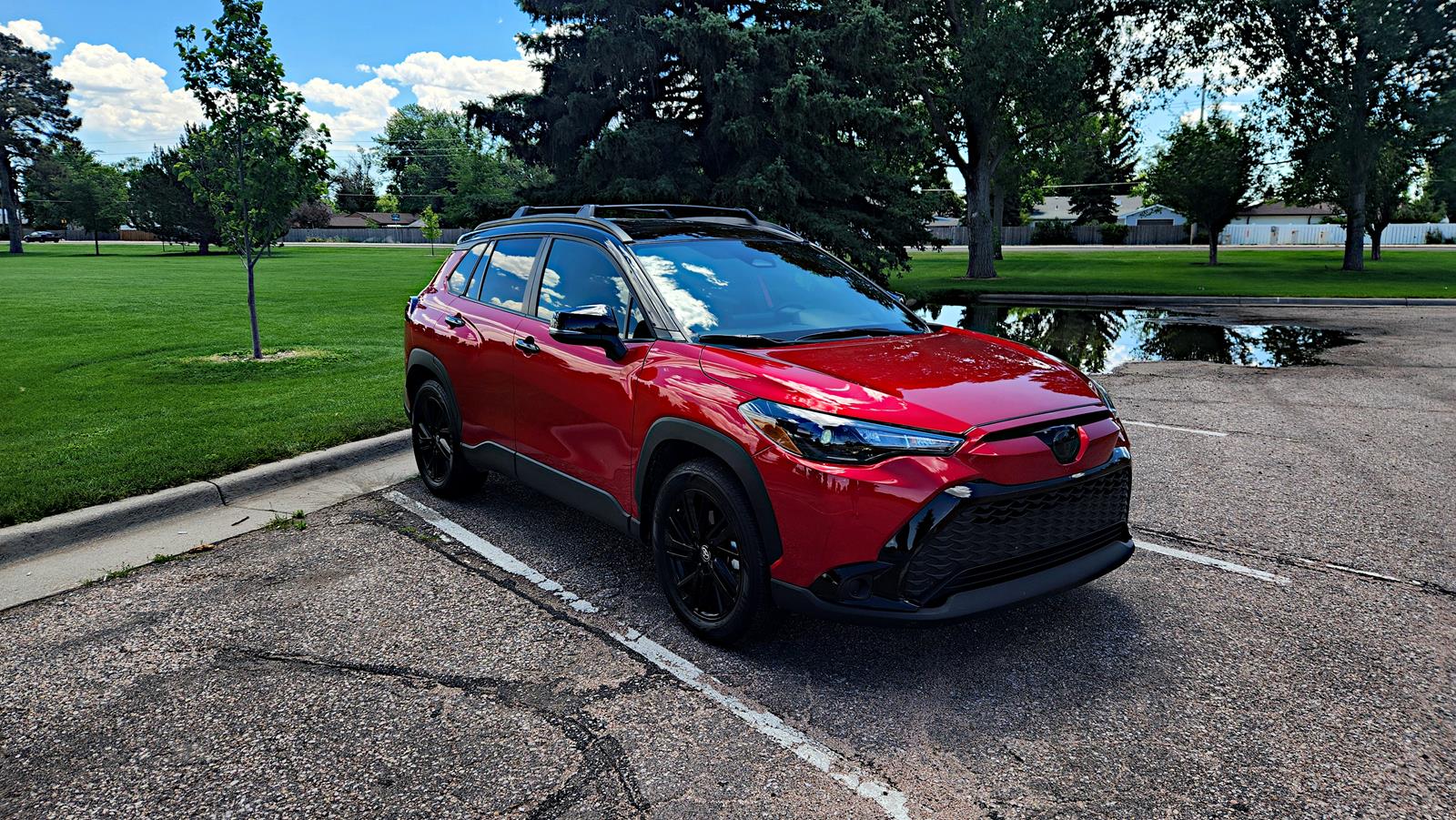
Toyota took the legendary reliability reputation of the Corolla and stretched it upward into crossover form. The result is a practical, efficient, easy-to-live-with vehicle that appeals to buyers who prioritize dependability over gimmicks. The hybrid version is especially compelling, delivering excellent fuel economy without requiring owners to learn charging etiquette or battery chemistry. Inside, the Corolla Cross is straightforward and functional. Controls make sense. Visibility is good. Nothing requires a software update before turning on the air conditioning.
It’s refreshing. Sometimes boring done well is better than exciting done badly.
Hyundai Kona (about $25,000)
The Kona looks like it was designed by someone who drinks energy drinks recreationally. That’s not criticism.

Hyundai has leaned hard into futuristic styling, and the Kona stands out in parking lots filled with anonymous gray crossover blobs. More importantly, it backs up the styling with excellent value. The Kona packs a surprising amount of technology into an affordable package. Available digital displays, strong safety tech, good fuel economy, and a roomy interior make it feel more expensive than its sticker price suggests.
It’s also available in multiple flavors, including hybrid and EV versions, which gives buyers flexibility depending on budget and lifestyle. For younger buyers especially, the Kona feels modern without becoming weird for the sake of being weird.
Kia Seltos (starts around $25,000)
The Seltos exists for buyers who want practicality but still occasionally enjoy looking at their vehicle.
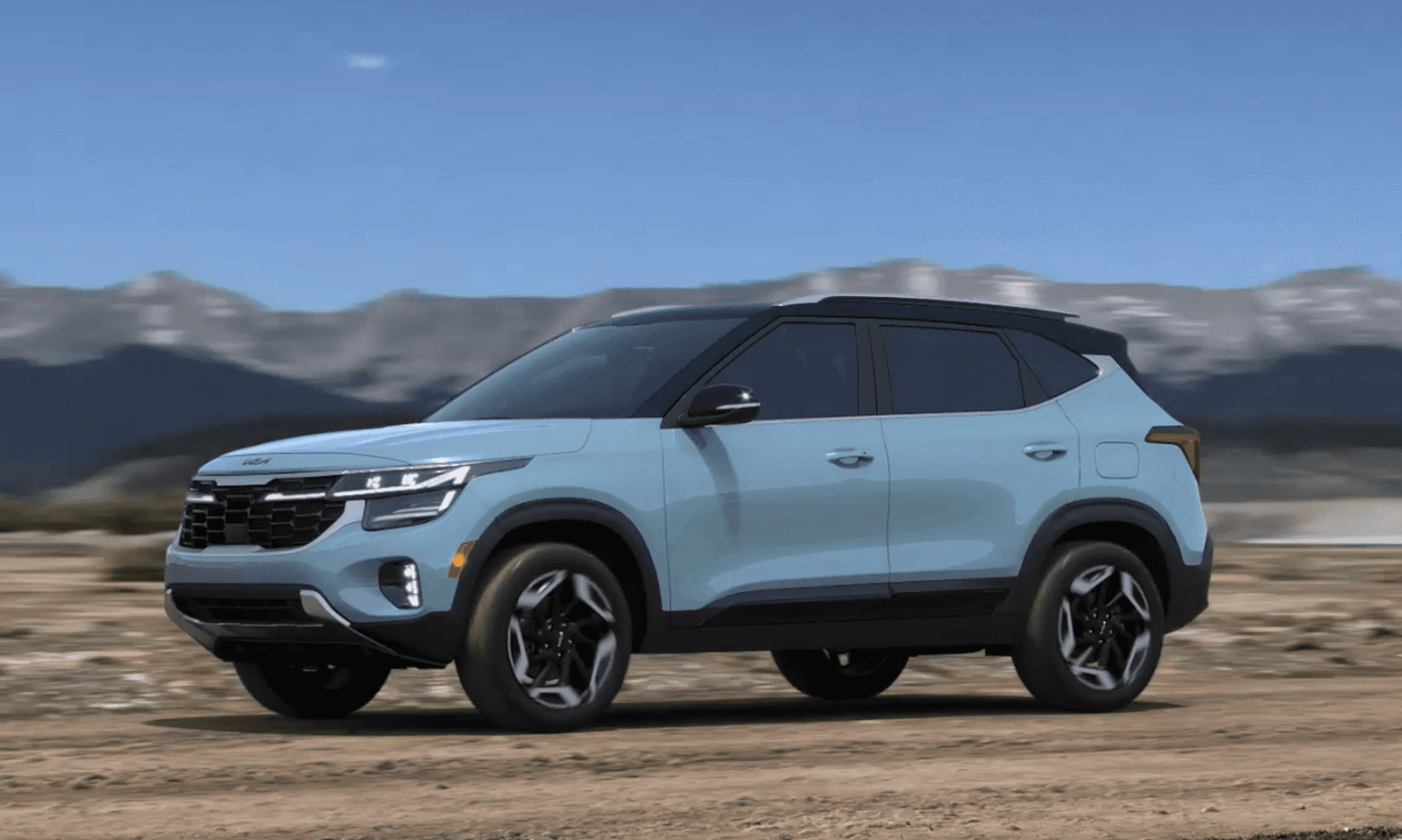
Kia has become exceptionally good at making affordable vehicles that don’t feel affordable, and the Seltos is a great example. It offers one of the roomiest interiors in the segment, strong feature content, and styling that looks legitimately upscale from certain angles. It also avoids one of the biggest problems in this category: feeling underpowered. Available turbocharged models add enough punch to make highway merging less dramatic. Meanwhile, the suspension tuning balances comfort and control surprisingly well. Plus, Kia’s warranty remains one of the best safety blankets in the business.
Mazda CX-30 (starts around $26,000)
The CX-30 continues Mazda’s long-running strategy of building economy vehicles for people who secretly want an entry-level luxury car.
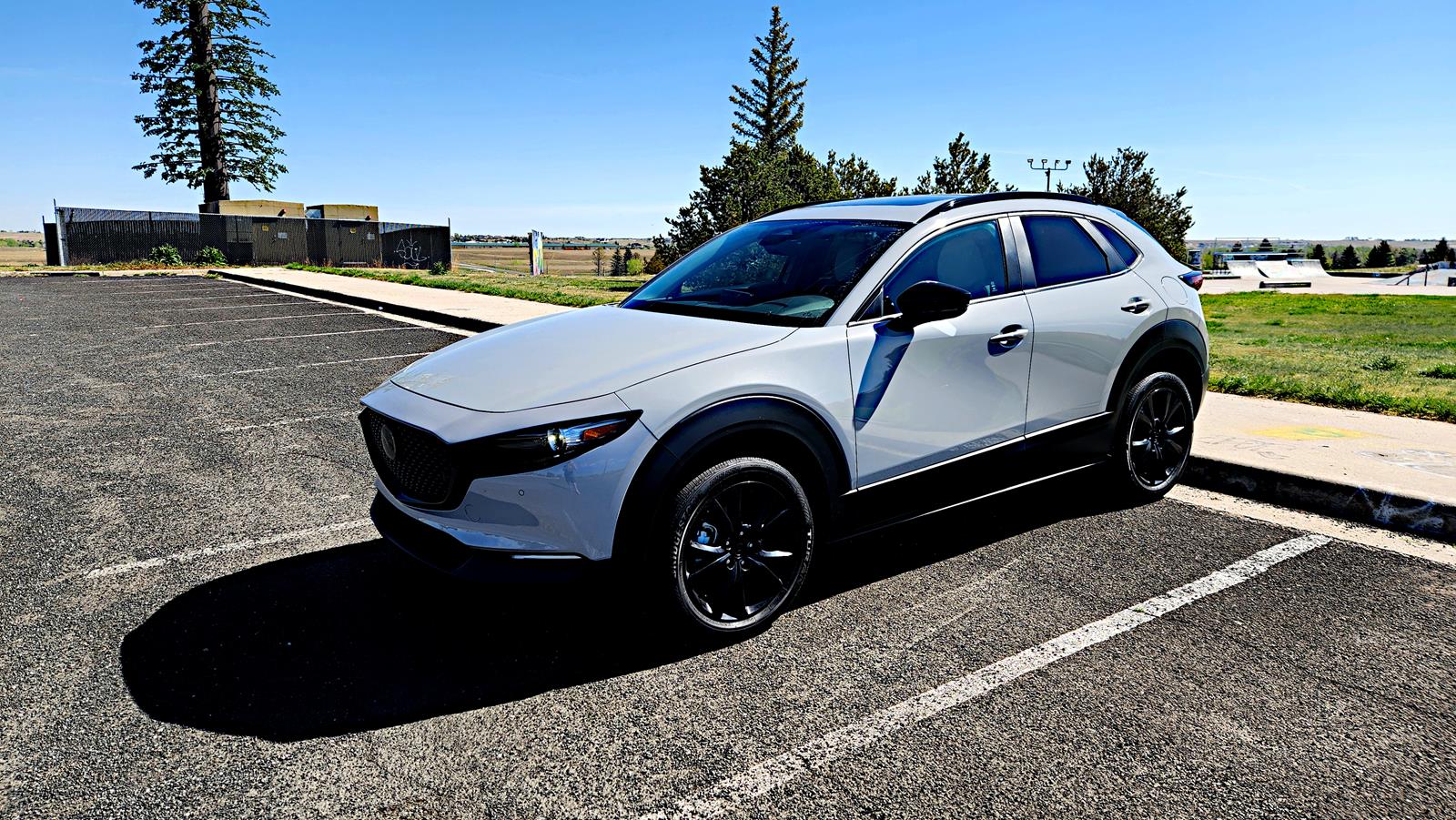
Inside, the CX-30 feels far more expensive than it actually is. The materials are excellent for the segment, the cabin is quiet, and the design avoids the “tablet glued to dashboard” aesthetic infecting half the industry.
Even better, it’s actually enjoyable to drive. Mazda still believes steering should communicate information instead of vague emotional encouragement. The CX-30 feels composed in corners and refined on the highway, which is unusual in a segment where many competitors drive like overinflated sneakers. The only real downside is rear-seat space. Adults back there may begin negotiating legroom treaties.
Affordable Doesn’t Mean Miserable Anymore
The biggest change in today’s crossover market is that buyers no longer have to suffer just because they’re shopping on a budget.
Affordable crossovers have improved dramatically over the past decade. Interiors are better. Technology is better. Safety is better. Even driving dynamics—once completely ignored in this segment—have become legitimately respectable.
Sure, there are still cheap crossovers out there that feel assembled from melted office furniture and regret. But vehicles like these prove you can spend under $30,000 and still get something stylish, practical, comfortable, and occasionally even fun.
Which is good news for consumers. Because with current vehicle prices, most of us can’t exactly wander into a dealership shouting, “Bring me the leather-lined electric spaceship with massaging seats!”
Sometimes you just need affordable transportation that doesn’t make you sad. And finally, there are options for that.
