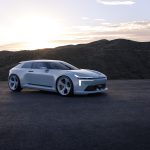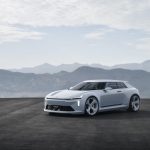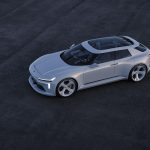

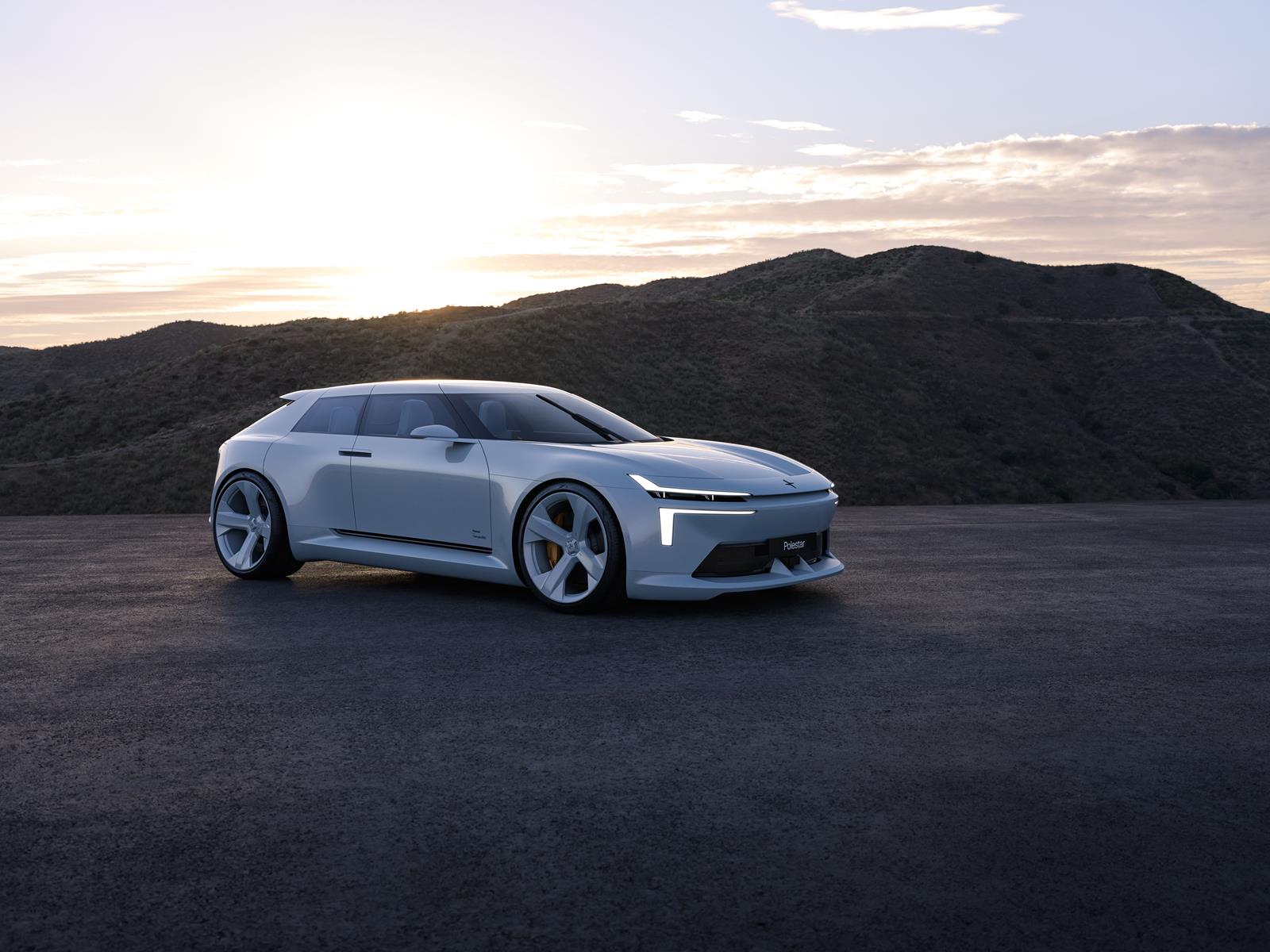
Polestar is offering a glimpse into its future with the unveiling of the Formula 2030 concept, a dramatic four-door electric sports car designed to preview the next generation of the Swedish automaker’s design language, technology and performance philosophy.
The concept is more than an exercise in futuristic styling. It represents the physical expression of Polestar’s broader Formula 2030 strategy, which centers on three core values: design, performance and sustainability.
It is also the first show car developed under the leadership of Polestar Head of Design Philipp Römers. The goal is to take the company’s established design identity, remove unnecessary elements, improve what remains and push the brand further toward performance-oriented vehicles.
According to Römers, the Formula 2030 concept demonstrates how Polestar intends to apply those values to its next production vehicles.
And if this concept is any indication, the future of Polestar could be considerably more aggressive.
A New Shape for Polestar Performance
The Formula 2030 is a compact, four-door sports car that occupies an interesting position within Polestar’s developing lineup.
It measures 4,680 mm (184.3 inches) long, 2,021 mm (79.6 inches) wide and has a 2,780 mm (109.4-inch) wheelbase. Its roof sits just 1,350 mm (53.1 inches) off the ground, making it even lower than the Polestar 5 grand tourer.
Dimensionally, it falls somewhere between the forthcoming Polestar 2 and Polestar 7, borrowing some inspiration from the recently introduced Polestar 4.
The exterior emphasizes a cab-rearward profile, with a long hood, short overhangs, muscular rear haunches and 22-inch wheels. Viewed from above, the body features pronounced coke-bottle hips, visually concentrating the vehicle’s mass toward the rear.
The overall effect is a vehicle that looks ready to move even when parked.
Up front, Polestar’s signature Dual Blade headlights provide a recognizable brand identity. These lights also preview the face of the next-generation Polestar 2, which is planned for 2027.
The headlights are integrated into a front aerodynamic wing, while a pronounced shark nose and deep front splitter emphasize the car’s performance intentions.
Another unusual feature is the vertically mounted windshield wiper, which runs along the center spine of the vehicle. The wraparound windshield takes inspiration from the first-generation Polestar 2, while a concealed LiDAR sensor sits beneath an aerodynamic cover when not in use.
When the vehicle’s autonomous driving capabilities are engaged, the sensor becomes visible.
The panoramic glass roof also incorporates Polestar’s guiding star symbol.
At the rear, Polestar moves away from the increasingly common full-width lightbar design. Instead, the Formula 2030 introduces a new Single Blade rear lighting signature, which the company says previews a design element intended for future production models.
A centrally mounted rear wing, illuminated mounting points and a substantial diffuser complete the performance-focused appearance.
A Driver-Focused Interior With a Physical Button Revival
Inside, Polestar is emphasizing driver engagement and a better balance between digital interfaces and traditional physical controls.
The Formula 2030 features a performance-oriented cockpit with a 20-inch HyperDIM (Driver Information Monitor) mounted directly to the steering column. Its curved display is positioned to maintain the driver’s focus while providing important vehicle information.
A separate 12.2-inch center display is integrated into the rising center tunnel.
The dashboard features a horizontal design element that wraps around the driver before continuing through the rest of the cabin. Indirect lighting emphasizes the interior’s minimalist Scandinavian aesthetic.
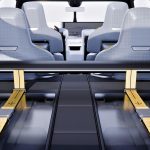
Four individual seats use inflatable bolsters and cushions that automatically mold to each occupant. The design is intended to provide lateral and longitudinal support while keeping occupants positioned low in the cabin.
Perhaps more interesting is the concept’s approach to vehicle controls.
Polestar is moving away from the idea that everything needs to be controlled through a touchscreen. The Formula 2030 introduces eight customizable physical controls positioned below the center display.
These controls can be configured with different physical interfaces, including rocker switches and rotary controllers. Drivers can also program individual shortcut buttons for frequently used functions.
It’s a refreshing idea in an automotive industry that sometimes seems determined to turn every vehicle function into a touchscreen scavenger hunt.
The concept also features three selectable driving modes: Performance, Normal and Autonomous.
Rather than simply changing software settings, selecting a mode physically changes the cabin configuration.
In Autonomous mode, the center display rises into a more upright position, while the steering wheel and seat move apart to create a more relaxed environment. As the driver selects Normal or Performance modes, the display lowers into the dashboard, while the steering wheel and instrument display move closer to the driver.
The idea is to make the cabin adapt to the driving experience rather than forcing the driver to adapt to the interface.
Google Gemini is also integrated through Google built-in, providing conversational artificial intelligence capabilities for occupants.
Sustainable Materials Take Center Stage
Polestar has long emphasized sustainability as part of its brand identity, and the Formula 2030 concept continues that approach.
The concept introduces a new exterior finish called Nitrogen, a Scandinavian-inspired color designed to react to changing natural light. It covers the body, 22-inch center-lock wheels, side cladding, front splitter and rear diffuser.
Different gloss, matte and satin finishes provide contrast without relying on dramatically different colors.
Swedish Gold, Polestar’s signature performance accent, appears on the Brembo brake calipers, valve caps, interior details and seat belts.
The interior also incorporates several materials intended to reduce environmental impact.
Polestar continues developing its mono-material strategy, including door interiors designed for full recyclability. Structural interior components, including the seat frame and cross-car beam, use low-emission galvanized steel manufactured using recycled materials and renewable energy.
The seatbacks feature a bio-based composite combining European flax with bio-based polypropylene. The material replaces traditional virgin plastics and incorporates a distinctive woven pattern inspired by the agricultural fields where the flax is grown.
Even the luggage compartment gets some attention. Beneath the transparent cargo floor, custom Polestar bags are secured with Swedish Gold straps. Opening the rear clamshell reveals structural elements made using Bcomp natural-fiber composite materials.
Race-inspired Öhlins dampers are also displayed, while the front luggage compartment includes dedicated storage for racing helmets and a fire extinguisher, framed by a Swedish Gold strut brace.
The emphasis is on showing how sustainable materials can become part of a vehicle’s structure and design rather than simply being marketing-friendly additions.
What Formula 2030 Means for Production Polestar Models
The Formula 2030 concept doesn’t come with detailed powertrain specifications, battery capacity, range estimates or performance figures. Polestar is using it primarily to communicate its future design and engineering direction.
That doesn’t make it any less significant.
Several elements are specifically identified as previews of future production vehicles. The Dual Blade headlights, for example, will influence the next-generation Polestar 2 planned for 2027. The Single Blade rear lighting signature is also intended to move toward production.
The interior’s emphasis on physical controls, driver-focused ergonomics and sustainable materials provides additional clues about where the company wants to go.
The concept also demonstrates that Polestar isn’t abandoning its performance identity as it develops electric vehicles. Instead, it appears intent on making that identity more prominent through proportions, aerodynamics, materials and driver interaction.
The Formula 2030 is an ambitious statement, combining sports car proportions with four-door practicality, advanced technology and a decidedly Scandinavian approach to design.
Whether every element makes it into production remains to be seen. But if Polestar can translate even a portion of this concept into its next generation of vehicles, the brand’s future could be considerably more interesting.
And perhaps we’ll finally see more automakers remembering that driving a car is supposed to be an experience, not an exercise in navigating menus.