

We tend to look at historical objects that were the highest of technology for their time period with reverence. I do it all the time, especially when looking at my favorite things: really old automobiles and tools. At the same time, I will snort loudly at current technology that’s “groundbreaking” and make Clint Eastwood faces at it.
In the context of history, some things are definitely ahead of the technological curve. Some of them seem quite quaint now. It’s a good thing to see those forward thinking engineers from back in the day and how right they got it. But at the same time, vehicles that showcased these technological marvels ahead of their becoming the norm usually didn’t sell well. New tech can be problematic.
In the past few years, I’ve driven several new vehicles that are probably going to eventually become showcases of how technology evolved and be declared “ahead of their time.”. I can guarantee that none of these great ideas are things that are selling the car in the here and now.
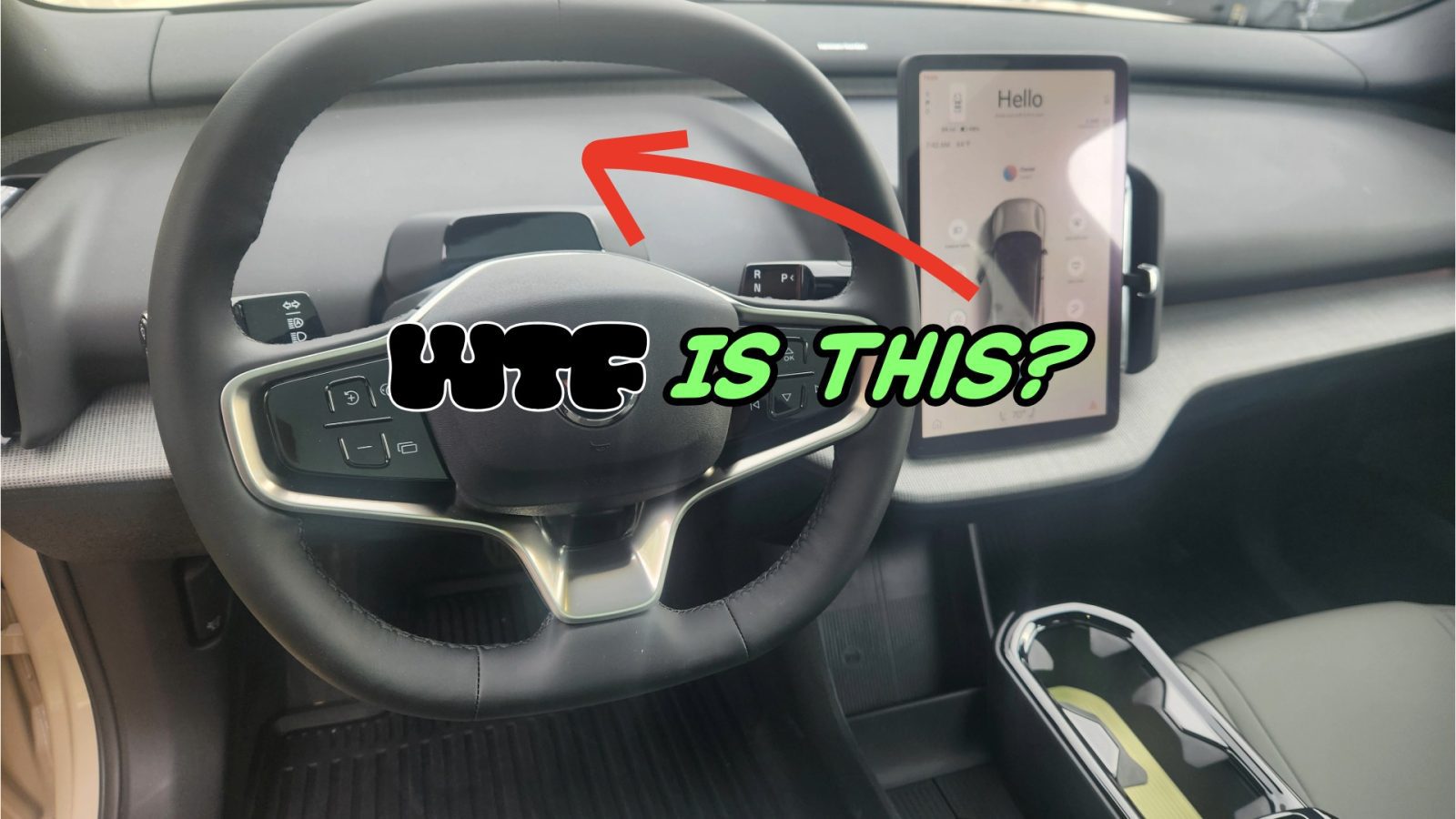
The absence of a gauge cluster, for example, is a new trend that is starting to happen in electric vehicles. Toyota started this idea with the Prius back in the day, pushing the traditional position of the gauge cluster from behind the steering wheel to the center of the dashboard. This, necessarily, means that the driver must disengage eyes from the road to look at the speedometer and other gauges. The 2026 Toyota Prius does not have a central gauge cluster. It’s back behind the wheel where it belongs.
Other manufacturers, however, didn’t get that memo. Volvo, for example, has no gauge cluster at all in the EX30. Just everything on a tablet-sized screen at the center of the dash.. Where the driver has to fully look away from the road to see it. Enough so that the mandatory eye-tracking safety system starts dinging bells to alert the driver to their inattention. Creating a horrible feedback loop. In a vehicle made by a company which touts itself as the safest vehicle manufacturer in the world, this seems like a huge faux pas.
Volvo isn’t alone, but is so far the most egregious example of this that I’ve seen. Let’s not even get into the myriad of other problems that having everything dependent on one screen means. Tesla owners will understand what I’m getting at. Kinda hard to drive a car when there’s no indication of anything going on with it because its only screen decided not to work.
In the future at some point, I’m sure that this idea of centralizing everything onto a screen that everyone in the vehicle can see will be seen a great leap forward. It will seem like massive foresight when the car is driving itself and everyone in it is a passenger. Not having to watch the road because nobody is driving makes a central screen seem like a no-brainer.
For now, though, it makes this Volvo very hard to drive. If I get pulled over for speeding, I will definitely point all of this out to the judge and see if we can maybe get Volvo involved in the traffic case. I’m not sure how this slipped by regulators.
But some other guy, 30 years from now, might stumble upon this article and just think I must complain a lot. Just wait, future guy. You’ll become a curmudgeon too. It’s inevitable. But hey, maybe you all have figured out how to make the fridge have stuff in it that you actually want to eat at 3am while binging Netflix. The future must be awesome.
This article originally published on the AaronOnAutos Substack.
