

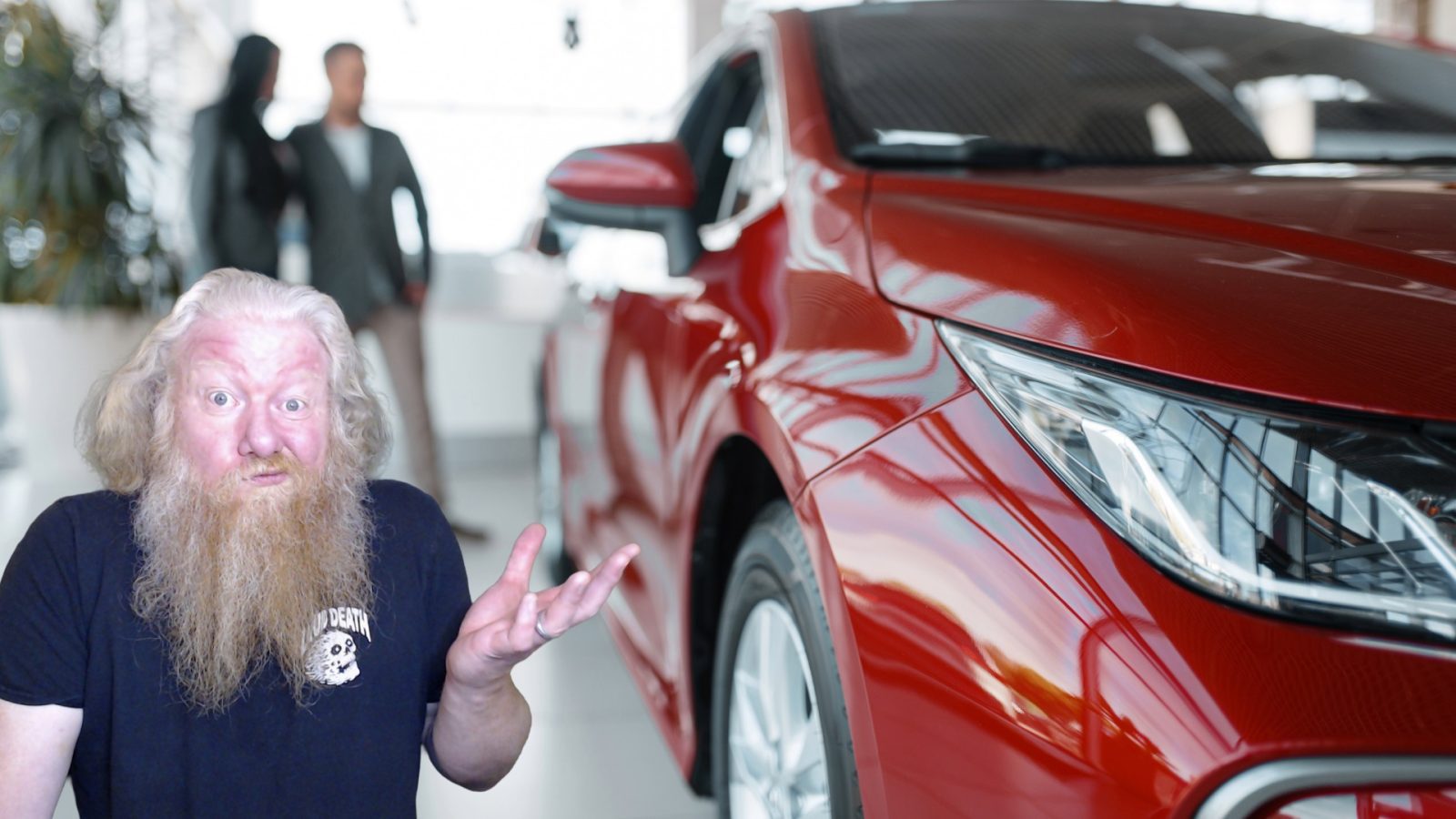
If you spend a lot of time in automotive media, enthusiast forums, or social media discussions, it’s easy to assume that the average car buyer obsesses over horsepower, torque curves, transmission ratios, suspension geometry, and engine architecture. The reality is much different: most car buyers simply don’t care about car stuff.
That isn’t an insult. It’s just the truth.
For the overwhelming majority of people, a vehicle is a tool. Much like a mattress or smartphone, a car exists to perform a function. It needs to start every morning, get them where they need to go, and do so without creating headaches. Beyond that, many buyers have little interest in the finer details that people like you and I will debate endlessly.
Ask a typical consumer what engine is in their vehicle and many won’t know. Some couldn’t tell you whether their car has a turbocharger, a continuously variable transmission, or all-wheel drive. Yet these same people may have spent $50,000 on that vehicle. Their purchase decision was driven by factors that matter more to their daily lives.
Reliability ranks near the top. Well, more precisely, perception of reliability ranks high. Consumers want a vehicle that they believe won’t leave them stranded or generate expensive repair bills. The perception part is important, though, because otherwise a lot of the best-selling vehicles for the past several years would never have made the best seller lists. But actual reliability metrics are generally questionable to most people that aren’t enthusiasts or in the business. And realistic reliability metrics for new cars are just not available. So most consumers go on perception. What their past history, their friends and family, and what their own trusted sources say is reliable is what they will believe to be reliable.
Fuel economy matters because it affects budgets in a direct and measurable way. But only to a point. Many consumers will sacrifice MPG ratings in favor of size, safety, convenience, or other things. That’s pretty clear from what’s being purchased versus what’s available. If fuel economy was really a top concern, everyone would be driving electric vehicles.
Safety ratings matter because families want protection on the road. That’s what consumers say when taking surveys. But surveys like those used by dealership and insurance groups are often skewed. Because people want to think that safety is highly important, but it appears to only get a passing “how many stars?” consideration on purchase. And the fact is, most vehicles being sold will rank with 4 or more stars on the National Highway Traffic Safety Administration’s 5-star ratings scale. And that’s good enough for the majority of buyers, if sales figures are any indication.
Comfort, cargo space, technology, and monthly payments often outweigh performance specifications. At least, that’s what dealerships and manufacturers assume when advertising a vehicle. And they’re the ones profiting from making and selling vehicles, so they definitely spend a lot of effort finding these things out.
The disconnect between an enthusiast’s viewpoint and the average consumer’s view can create confusion within the automotive industry. Manufacturers frequently market technical innovations that enthusiasts find fascinating but that most buyers barely notice. A new transmission with an additional gear, a revised suspension setup, or a modest horsepower increase may dominate headlines in automotive publications, but many consumers simply ask a different question: “Will it make my commute easier?” or “Does it improve fuel economy in the real world?”
The rise of crossovers provides a perfect example. Enthusiasts spent years lamenting the decline of sedans, wagons, and traditional SUVs. Consumers, meanwhile, voted with their wallets. They liked the higher seating position, practical cargo space, and easier ingress and egress that crossovers offered. The market followed consumer preferences rather than enthusiast opinions.
Similarly, the average buyer is often less concerned with whether a vehicle uses a naturally aspirated engine, turbocharged four-cylinder, hybrid system, or electric powertrain than they are with total ownership costs and convenience. They care about how much it costs to fuel, maintain, and insure the vehicle. Turbos aren’t a big deal anymore.
This doesn’t mean car enthusiasts are irrelevant. Enthusiasts help shape automotive culture, influence perceptions, and often serve as early adopters of new technologies. Their passion keeps the industry interesting. But enthusiasts represent a relatively small portion of the overall market and manufacturers cater to them minimally comparatively. I’ve said this before.
For most people, the best car isn’t the most exciting one. It’s the one that simply does its job. Whether that job is to look cool, be reliable, or just get low MPG. Like a mattress, that new car just needs to seem reliably comfortable.
This article originally published on the AaronOnAutos Substack.
