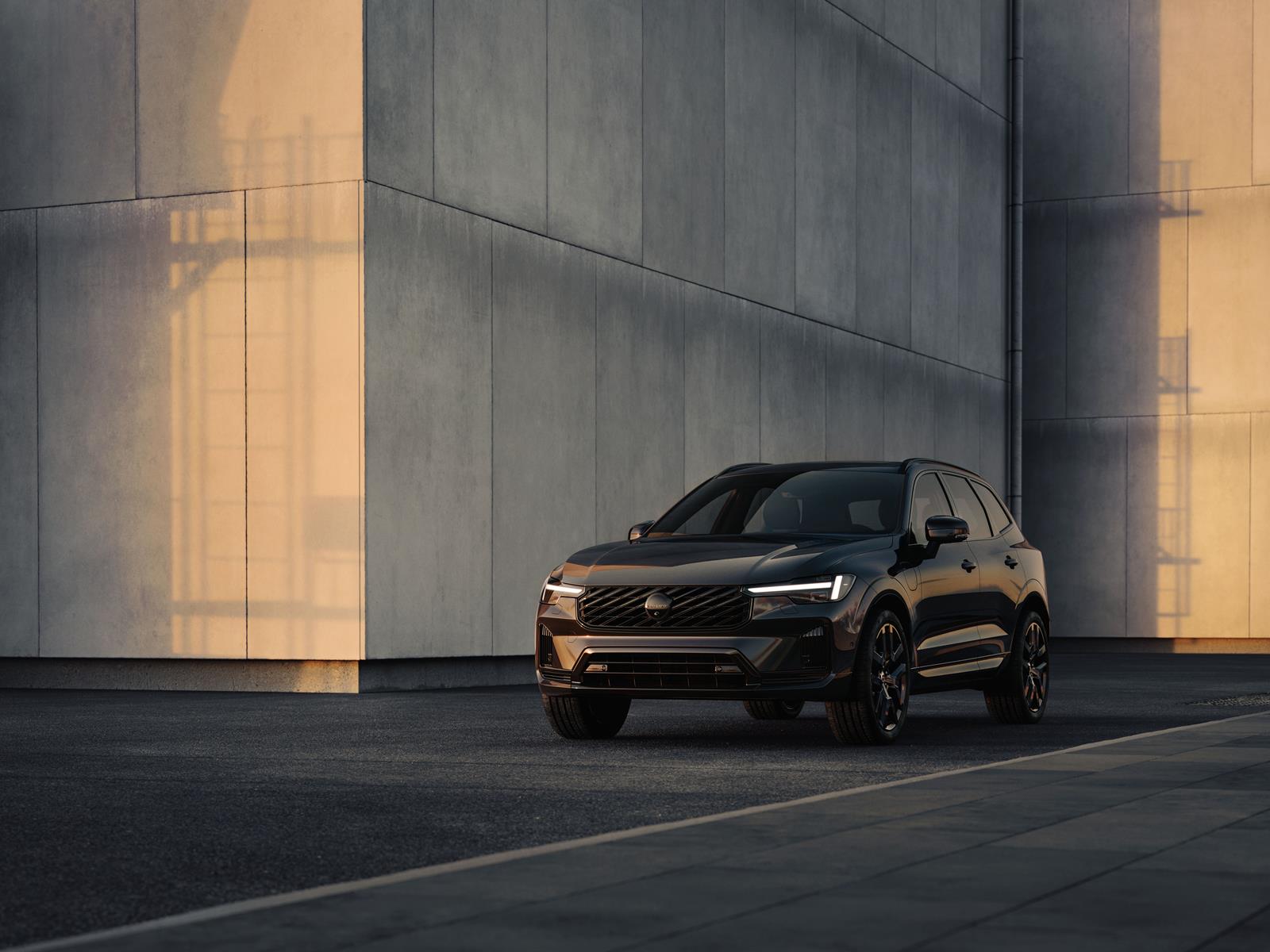

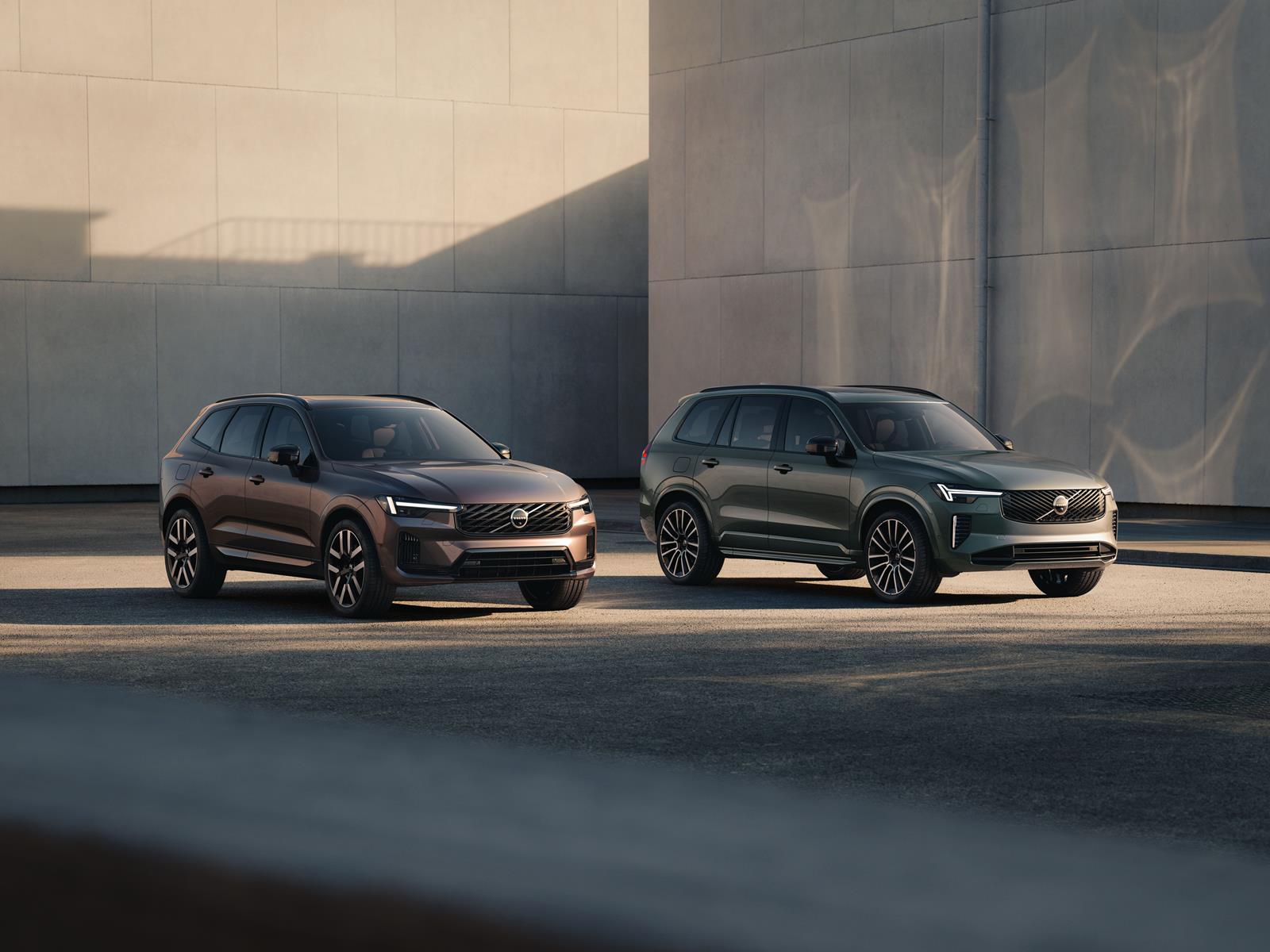
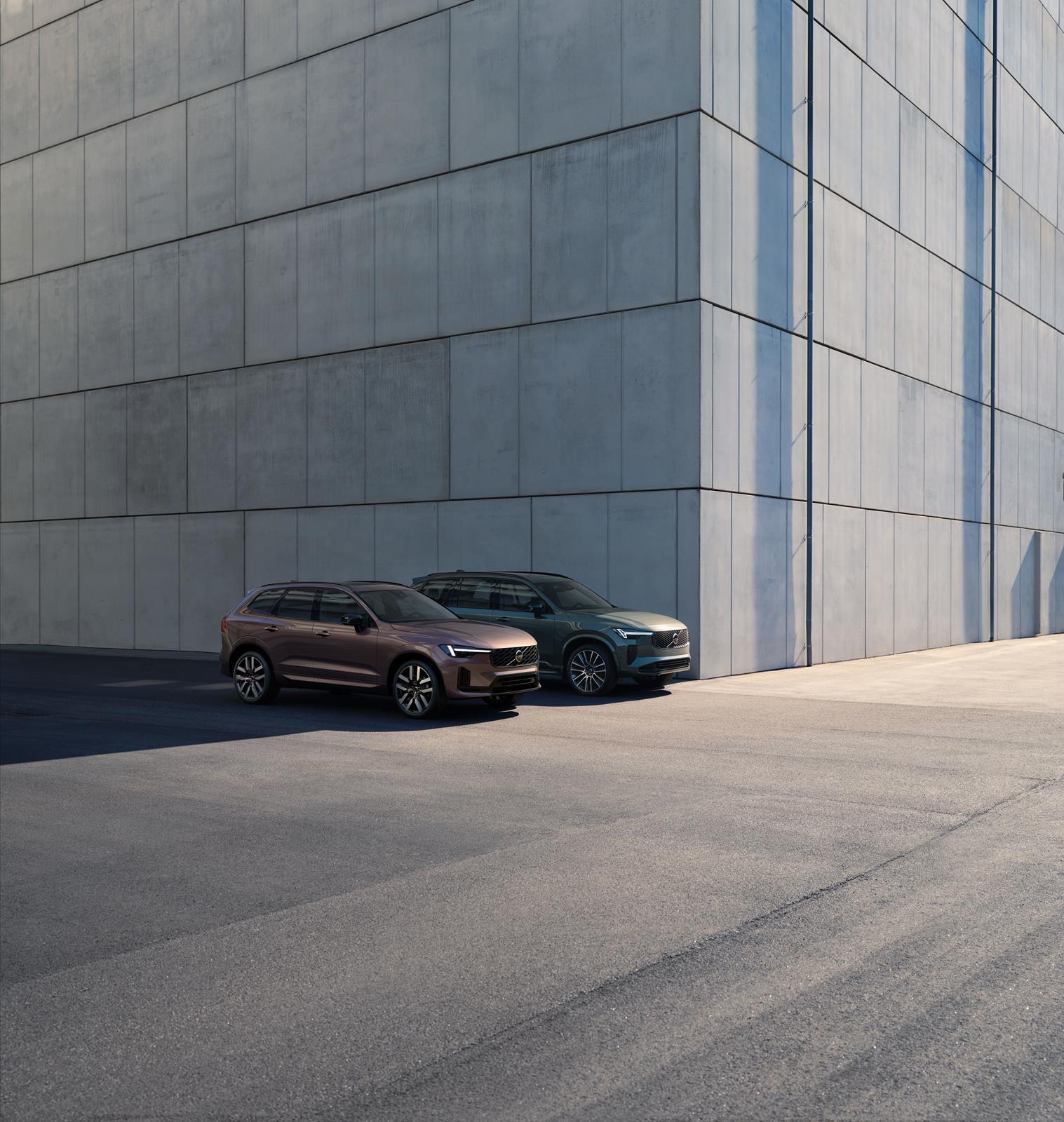
Volvo is giving its plug-in hybrid SUVs a rather substantial shot of electricity. The automaker has unveiled long-range plug-in hybrid versions of its popular XC60 and XC90, promising up to 78 miles of electric driving in the XC60 and 73 miles in the XC90.
Those numbers are significant because they more than double the electric range of Volvo’s existing plug-in hybrids. They also give the two SUVs the longest electric driving ranges of any plug-in hybrids currently offered in the American market, according to Volvo.
And that makes these Volvos an interesting middle ground in an industry that has spent the last several years arguing over whether everyone should immediately buy an EV.
Volvo’s answer appears to be: What if you didn’t have to?
The Plug-In Hybrid With Enough Range to Matter
The biggest change is underneath the floor. Both the XC60 and XC90 T8 AWD Long range Plug-in Hybrids receive a larger-capacity, floor-integrated battery and a more powerful electric motor.
The result is a claimed 78 miles of electric range for the XC60 and 73 miles for the larger XC90.
Those are preliminary figures based on EPA testing standards, so the usual range caveats apply. Temperature, weather, terrain, vehicle configuration, driving style, speed, and battery conditions can all affect what owners actually see.
Still, even with real-world variables involved, that’s enough electric range to make the plug-in hybrid concept considerably more compelling.
For many drivers, 70-plus miles covers the bulk of daily driving. The school run, commute, grocery store, trip to the office, and various other errands can potentially happen without firing up the gasoline engine at all.
And when the battery is depleted, the gasoline engine remains available for longer trips.
That’s the fundamental appeal of the setup: EV driving for the routine stuff and gasoline power when the routine stuff ends.

A Bridge Rather Than a Detour
Volvo describes the new long-range hybrids as part of its “bridge” toward an all-electric future. That’s an increasingly practical strategy as automakers try to move toward electrification while acknowledging that not every buyer is ready to live entirely within the boundaries of a charging network.
The company is also preparing the all-electric EX60, giving Volvo another electrified option in the midsize SUV segment.
For buyers who want electric driving but aren’t interested in planning their lives around charging stops, however, these new T8 models offer a different proposition.
Charge at home and use electricity for most everyday driving. Take a road trip and let the gasoline engine do the worrying.
It’s hardly revolutionary technology, but putting a genuinely useful amount of electric range into a plug-in hybrid makes the concept much easier to understand.
The XC60 Gets a Styling Makeover, Too
The XC60 isn’t just getting a bigger battery. Volvo has also given its best-selling model a comprehensive design update.
The exterior receives a redesigned grille, front bumper, hood, front fenders, wheels, tailgate, rear lighting, and rear bumper. Volvo’s familiar Thor’s Hammer LED headlights have also been redesigned, retaining the recognizable lighting signature while giving it a more modern appearance.
Inside, the XC60 receives a redesigned dashboard and door panels, wood trim, upgraded materials, and available Cardamom ventilated Nappa leather.
In other words, Volvo has apparently decided that if you’re going to spend more time driving electrically, you might as well have a pleasant place to do it.
The infotainment system gets an 11.2-inch display running Volvo’s latest UX. The company is also bringing Google’s Gemini AI assistant into the vehicle.
That means drivers can interact with the system using more natural language for things such as trip planning, finding stops, and managing messages.
Because apparently asking your car where the nearest coffee shop is wasn’t conversational enough before artificial intelligence got involved.
More Safety Technology
The XC60 also gets Volvo’s latest active safety technology, with an upgraded collection of cameras, radars, and other sensors.
The system can provide warnings and intervene when appropriate, including automatic emergency braking and automatic emergency steering. Volvo also says the XC60 can warn occupants about an approaching cyclist before a door is opened.
Additional driver-support technology includes lane-change assistance and a 360-degree camera with a 3D view.
As always, these systems are designed to assist the driver rather than replace one. Availability can also vary by market, specification, subscription, and customer opt-in.
The XC90 Keeps Doing XC90 Things
The larger XC90 doesn’t receive quite the same sweeping visual makeover described for the XC60, but Volvo is continuing to refine its three-row flagship SUV.
The XC90 remains a seven-seat premium family SUV emphasizing comfort, safety, and Scandinavian design. Volvo highlights natural materials, wood trim, ambient lighting, and available premium audio from Bowers & Wilkins.
And, naturally, Gemini is joining the party here, too.
The combination of three rows and more than 70 miles of claimed electric range could make the XC90 particularly interesting for families. A vehicle this large can handle the school bus impersonation during the week while still having gasoline backup for long-distance family adventures.
The Bigger Picture
The new XC60 and XC90 plug-in hybrids also demonstrate why plug-in hybrids haven’t disappeared despite the industry’s massive investment in battery-electric vehicles.
A plug-in hybrid with 20 or 30 miles of electric range can be useful, but drivers can still find themselves relying on gasoline more often than they expected.
Seventy-plus miles changes the equation.
Volvo is essentially making the electric portion of the plug-in hybrid useful enough to cover a large portion of everyday driving while keeping the internal-combustion engine around for the occasions when an EV’s charging requirements might become inconvenient.
The automaker also says the strategy helps extend the useful life and popularity of its existing SUV lineup while providing a bridge toward full electrification.
Both vehicles will continue receiving over-the-air software updates, so Volvo’s idea of a vehicle being finished at the factory is apparently becoming increasingly old-fashioned.
Production of the new XC60 and XC90 T8 AWD Long range Plug-in Hybrids is scheduled to begin later this fall, with customer deliveries expected to start in early 2027.
For buyers who aren’t ready to make the jump to a full EV but want substantially more electric driving than today’s typical plug-in hybrid provides, Volvo’s new SUVs offer a pretty straightforward proposition: drive electric most of the time, keep gasoline in reserve, and let somebody else argue about which powertrain is supposed to win.