

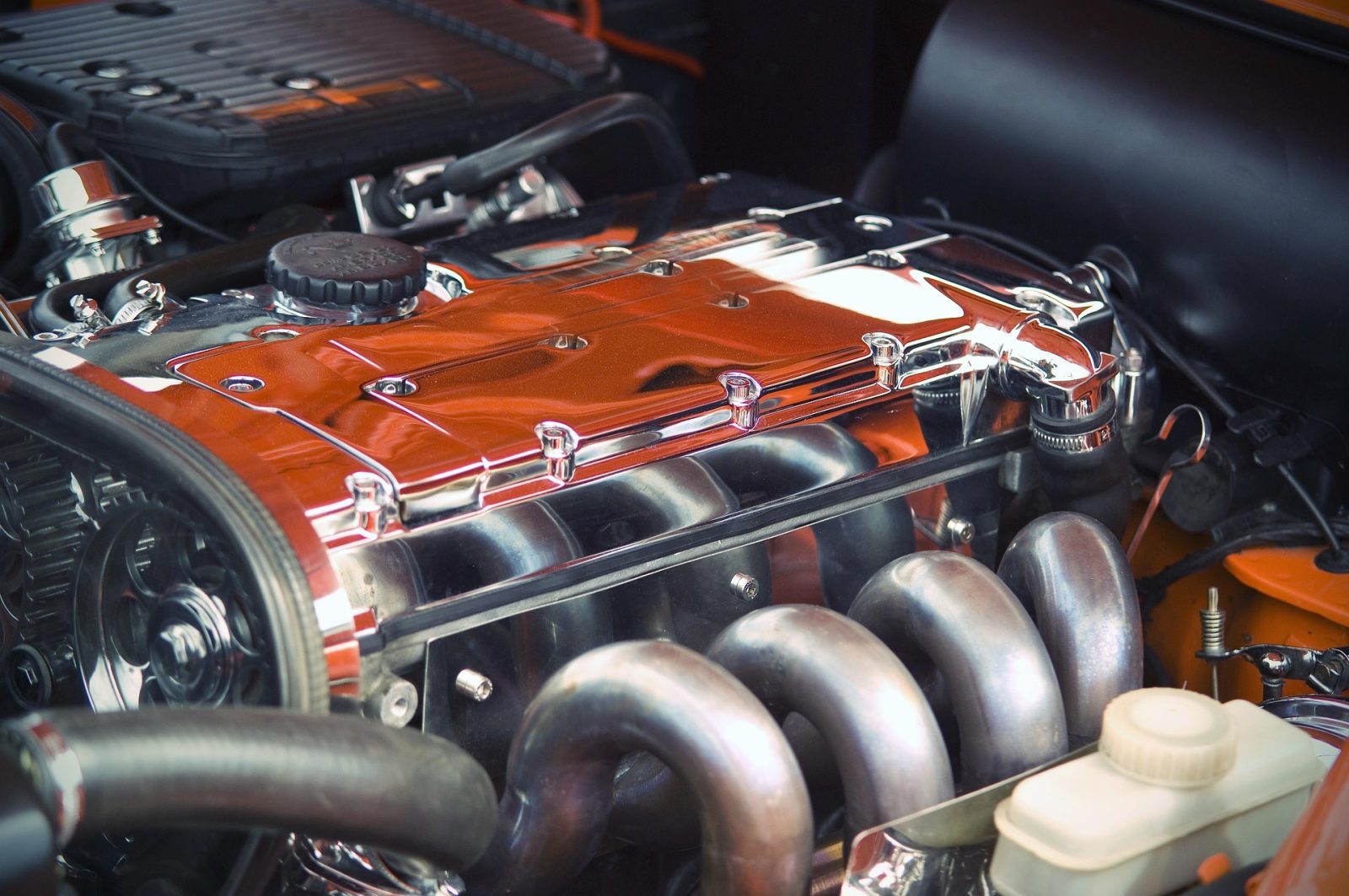
The intake manifold distributes air to the engine’s cylinders, affecting airflow under different operating conditions. Its design varies by car engine type: some manifolds have movable flaps and runners, while others use fixed channels. Common faults include cracked housings, worn gaskets, damaged linkages, and leaking vacuum connections. Heat, vibration, and repeated movement accelerate wear.
Identifying the cause requires inspecting the entire intake system. This also helps select suitable intake manifold repair components for the specific design and fault.
Symptoms That Warrant Investigation
Changes in engine behaviour often provide the first indication of an intake problem. Common signs include:
- Rough idle: Air entering through damaged seals or vacuum connections can disturb the air-fuel mixture.
- Poor acceleration: Air leaks or faulty intake mechanisms may affect engine response.
- Unusual noises: Hissing can indicate an air leak, while rattling may point to loose or damaged internal parts.
- Warning lights: Fault codes may indicate airflow problems, incorrect mixture readings, or actuator issues.
These symptoms are not exclusive to the intake manifold. Ignition faults, fuel delivery problems, and defective sensors can produce similar effects. Noting when the symptoms appear, whether the engine is cold or warm, and how they change with engine speed can help narrow down the cause.
What a Fault Code Can and Cannot Tell You
Diagnostic codes show which operating conditions the engine management system has detected. They do not always identify the failed part. For example, an intake flap error may result from a faulty actuator, damaged wiring, a blocked mechanism, or a broken linkage. A mixture-related code can also indicate an air leak or a problem elsewhere in the fuel system.
For an accurate diagnosis, technicians compare fault codes with live data and physical inspection results. Simply clearing an error or replacing the component mentioned in its description may not resolve the underlying problem.
Comparing Repair Options Without Guesswork
The extent of the damage determines whether individual components can be repaired or the entire manifold needs replacement. A worn gasket or damaged flap may be replaceable if the design allows servicing. A cracked housing or broken mounting point usually requires a different approach.
Not every manifold supports component-level repairs. Some assemblies are sealed or have integrated mechanisms that cannot be replaced separately. Before choosing a repair method, check:
- Manifold body: Cracks, distortion, and damaged mounting points.
- Gaskets and seals: Wear, deformation, and signs of air leakage.
- Flaps and linkages: Restricted movement, loose connections, or broken pivots.
- Actuators and controls: Electrical faults or incorrect mechanism operation.
A targeted repair makes sense when the damage is limited and suitable parts are available. More extensive structural damage may justify replacing the complete assembly.
Avoiding the Wrong Kit
Matching a repair kit to the vehicle’s make and model is not enough. Engine codes, production versions, and manifold designs can differ, even within the same vehicle range.
Before ordering, check the engine code, part number, vehicle generation, and manifold configuration. Also review the kit contents. Replacement seals will not fix a broken flap, just as new linkage components cannot repair a cracked housing. The selected parts must address the actual fault.
Mistakes That Increase Labour and Parts Costs
Several common mistakes can make intake manifold repairs more expensive:
- Replacing parts without testing: Similar symptoms can originate in the ignition, fuel, or vacuum systems.
- Reusing worn seals: Damaged gaskets may continue leaking after installation.
- Ignoring connected components: Faulty hoses, wiring, or actuators can remain a source of problems.
- Skipping final checks: The repaired system must be tested for leaks and correct operation.
Access to the manifold can also be difficult. Following the manufacturer’s procedures, keeping dirt out of open intake passages, and using suitable tools help prevent further damage during dismantling and installation.
Repairs involving complex controls or difficult access are best left to a qualified technician. Accurate testing is particularly important when the source of the fault is unclear.
A Practical Route From Diagnosis to a Reliable Repair
A reliable repair starts with identifying the symptoms and checking when they occur. Diagnostic codes, live data, and physical inspection help distinguish manifold problems from faults elsewhere in the engine. Once the cause is clear, assess the housing, seals, flaps, and related mechanisms to determine which parts need attention.
The choice between component-level repair and complete replacement should depend on the actual condition of the assembly. Correct parts, careful installation, and final checks for leaks and proper operation all matter. If the original symptoms remain, further diagnosis is necessary. Replacing components is only useful when the repair addresses the real source of the problem.